Category: Septum Piercing

  • Where Can I Buy Septum Rings?

    Where Can I Buy Septum Rings?

    Piercing Ya » Septum Piercing

    Join The Piercing Ya Newsletter


    Where Can I Buy Septum Rings?

    Many people with a new septum piercing often have one important question, “Where can I buy septum rings?” This guide will help you navigate the world of septum jewelry and discover the best places to shop.

    Indeed, a septum piercing is a bold and distinctive body modification that can enhance your style. To complete the look, you’ll need to find a place that sells septum rings. In fact, with a plethora of options available, finding the ideal place to purchase a septum ring can be overwhelming.
    Online Retailers: Where To Buy A Septum Ring Online

    • Rock Septum Rings: Owned by Piercing Ya, it is a great choice when you want to browse a website focused on septum rings. You won’t get overwhelmed with so many choices of “other body jewelry.”
    • Body Candy: A popular choice for affordable and trendy body jewelry, including a wide range of septum rings.
    • Urban Body Jewelry: Known for its high-quality, stylish, and unique pieces.
    • Hot Topic: This retailer offers a diverse selection of edgy and alternative jewelry, including septum rings.
    • Oufer Body Jewelry: Finally, Oufer is a great online destination for many types of body jewelry with a wide selection of septum jewelry.

    Piercing Aftercare And Jewelry Stores

    • Piercing Pagoda: A reliable source for quality body jewelry, including septum rings. Check Google to see if you have a Piercing Pagoda near you!
    • Claire’s: Also, Claire’s offers a variety of affordable septum jewelry, often with trendy designs. Claire’s is brick and mortar store offering various locations in local shopping areas.

    General Online Marketplaces

    • Amazon: A vast marketplace with a wide range of septum rings, from simple to ornate.
    • Etsy: A great place to find unique, handcrafted septum jewelry from independent artists.

    Where To Buy Septum Rings In Your Area

    • Specialized Piercing Studios: Find reputable piercing studio in your area. They often sell a curated selection of high-quality body jewelry, including septum rings. The only drawback is they have a tendency to be more pricey than online stores and other brick & mortar stores.
    • Tattoo Studios: Second, many tattoo studios often carry body jewelry and septum piercing jewelry, especially if they offer piercings.
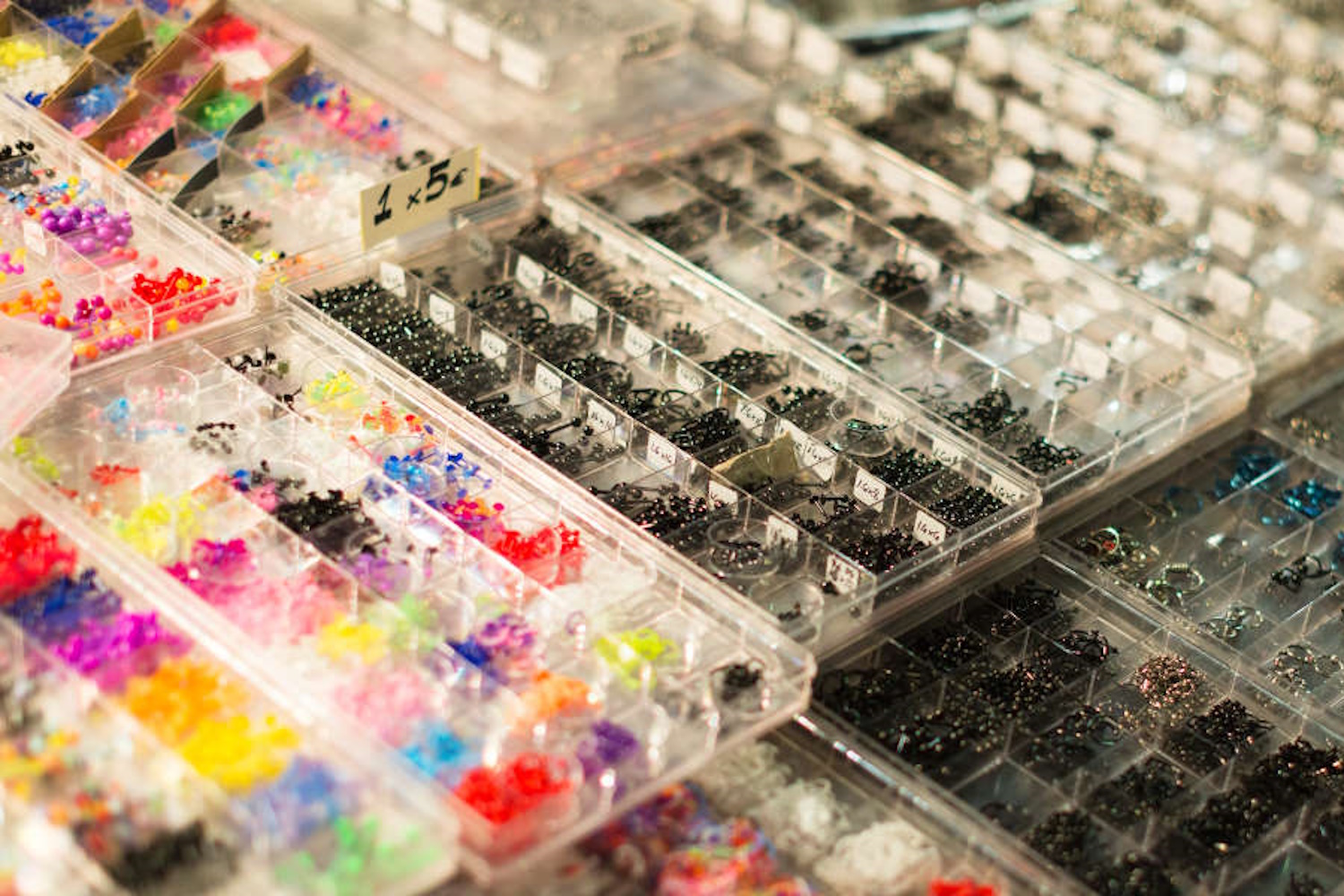
    This body jewelry shop is a place you can buy septum rings.

    There You Have It…

    So whether you prefer the convenience of online shopping or the personalized experience of a local piercing studio, there are numerous options available to find the perfect septum ring to complement your unique style. But, remember to prioritize quality, comfort, and hygiene when selecting your septum jewelry from any place you decide to make a purchase.


    Want more info about septum piercing’s?


    Need to find a piercer? Check out the Association of Professional Piercers.

  • How Much Does A Septum Piercing Cost?

    How Much Does A Septum Piercing Cost?

    Piercing Ya » Septum Piercing

    Join The Piercing Ya Newsletter


    How Much Does A Septum Piercing Cost?

    The septum piercing has become a popular facial adornment, adding a touch of edge and individuality to one’s look. But, if you are old enough, before you take the plunge and get your septum pierced, a crucial question arises: “How much does a septum piercing cost?

    The answer, unfortunately, isn’t a simple one-size-fits-all. The cost of a septum piercing can vary depending on several factors. So, let’s delve deeper into what influences the price tag on your new septum bling.

    Breaking Down The Cost Of A Septum Piercing Down

    Several key factors determine the total cost of your septum piercing experience:

    • Piercer’s Experience: A skilled and experienced piercer with a good reputation will likely charge more than a beginner. Their expertise ensures proper technique, minimizing discomfort and maximizing healing success.
    • Location: Prices can differ depending on your geographic location. Generally, piercings tend to be more expensive in larger cities with a higher cost of living.
    • Jewelry: The type of jewelry you choose can significantly impact the price. Basic materials like implant-grade titanium are typically less expensive than gold or gemstones.
    • Shop Reputation: High-end piercing studios with a luxurious atmosphere might charge more than smaller shops with a more basic setup.

    A Cost Range to Expect

    With these factors in mind, how much does a septum piercing cost in general? You can expect to pay anywhere from $40 to $100 for the piercing itself. Here’s a more detailed breakdown based on location:

    • Major Metropolitan Areas (New York City, Los Angeles, Chicago): In these cities, expect a range of $60 to $120. The piercer’s experience, shop reputation, and chosen jewelry will influence the final price.
    • Mid-Sized Cities (Austin, Texas; Portland, Oregon): These cities might offer a slightly lower range, from $50 to $100.
    • Smaller Cities and Towns: The cost might be on the lower end of the spectrum, between $40 and $80.

    Remember, these are just general ranges. It’s important to consult with reputable piercers in your area to get a more accurate estimate.


    Want a tongue piercing too? Check out the cost of a tongue piercing!


    Beyond The Initial Cost Of The Septum Piercing

    While the piercing itself is the main expense, there are a few additional costs to consider:

    • Aftercare Solution: You’ll need a saline solution for cleaning your septum piercing during the healing process. This is usually a small cost, around $10-$15.
    • Jewelry Upgrade: Perhaps you start with a simple titanium ring but crave a fancy gold clicker later. Upgrading jewelry, especially with a larger size, can come with an additional cost of a septum piercing.
    • Tipping: Tipping your piercer for their service is customary. In fact, the standard tipping etiquette applies, with 15-20% of the service cost being a common range.

    Finding the Perfect Piercer

    While cost is a factor, prioritizing a reputable and experienced piercer is paramount. Here’s how to find the perfect professional for your septum piercing:

    • Research and Reviews: Read online reviews and recommendations for piercers in your area. Look for piercers with experience and expertise in septum piercings specifically.
    • Ask Around: Talk to friends with piercings or consult local tattoo and piercing shops for recommendations.
    • Check Credentials: Ensure the piercer uses sterilized equipment and follows proper sanitation protocols. Therefore, ask about their experience and aftercare instructions.
    A man with a septum piercing that has his head tilted back with a big smile on his face.

    A Word on Price Shopping

    It’s tempting to choose the cheapest cost of a septum piercing offered by a studio. But, before you decide if you should get a septum piercing, remember that a low price might indicate a less experienced piercer or a compromise on hygiene standards. This can lead to complications like infection or improper placement, potentially costing you more in the long run due to corrective procedures or medical bills.

    Taking Care of Your Investment

    Once you’ve gotten your septum piercing and paid the price, proper aftercare of the septum piercing is essential. Here are some tips:

    • Cleaning: Clean your piercing regularly with a saline solution as instructed by your piercer.
    • Avoid Touching: Resist the urge to touch or play with your piercing, as this can irritate it and slow healing.
    • Listen to Your Body: Pay attention to any signs of infection like redness, swelling, or pus. If you experience any concerns, consult your piercer or a healthcare professional.
    • Patience is Key: Healing can take several weeks. Be patient and follow aftercare instructions diligently.

    Invest in a skilled piercer, no matter the cost of the septum piercing. Also, allow for the cost of high-quality jewelry, and proper aftercare so you can ensure a smooth healing process and enjoy your septum piercing for years to come.

    See our in-depth article with all the details about septum piercings here: Septum Piercing.


    Need to find a piercer? Check out the Association of Professional Piercers.


  • How Bad Do Septum Piercings Hurt?

    How Bad Do Septum Piercings Hurt?

    Piercing Ya » Septum Piercing

    Join The Piercing Ya Newsletter


    How Bad Do Septum Piercings Hurt?

    Septum piercings have become a popular way to add a touch of edge and individuality to one’s look. But before you decide if you want a septum piercing, a common question arises: “How bad do septum piercings hurt?

    Let’s delve into the world of septum piercing pain, separating fact from fiction and exploring factors that influence the discomfort level.

    The Sweet Spot of Pain

    The septum, the fleshy area between your nostrils, is relatively thin and doesn’t have many nerve endings. This means getting a septum piercing generally hurts less than piercings on other body parts. In fact, many people describe the sensation as a pinch, prick, or strong burning that lasts just a few seconds.

    Factors Affecting How Bad Septum Piercings Hurt

    While the septum itself is pain-tolerant, individual experiences can vary. Here are some reasons why:

    • Pain Tolerance: Everyone’s pain threshold is different. Some people breeze through it, while others might find it more intense.
    • Piercer’s Experience: A skilled piercer using proper technique and high-quality jewelry minimizes trauma and discomfort.
    • Anatomy: Slight variations in septum anatomy can influence how much a septum piercing hurts. Therefore, a piercer will assess your anatomy to ensure optimal placement.
    • Anxiety and Anticipation: Feeling nervous or tense can amplify pain perception. But, relaxation techniques like deep breathing can help.

    Beyond the Initial Sting

    The initial piercing is usually the most intense part. However, some tenderness, swelling, and slight discomfort around the piercing site are normal for the first few weeks. Indeed, this is your body’s natural healing response.

    Prolonging the Discomfort

    Certain factors can prolong or worsen the healing discomfort:

    • Improper Aftercare: Consistent cleaning with a saline solution and avoiding harsh products are crucial for preventing infection and promoting healing.
    • Touching or Picking: Resist the urge to touch or play with the jewelry. This can hurt the septum piercing and delay healing.
    • Bumpy Road: Small bumps around the piercing (irritation bumps) might appear. Avoid picking at them; they usually resolve with proper cleaning.

    Minimizing the Hurt

    Here are some tips to minimize pain during and after your septum piercing:

    • Find a Reputable Piercer: Choose a piercer with experience and a clean, sterile environment.
    • Communicate: Discuss any concerns with your piercer beforehand. They can guide you through the process and answer your questions.
    • Relaxation Techniques: Deep breathing or calming music can help manage anxiety during the piercing. Therefore, helping the septum piercing procedure to hurt less.
    • Aftercare Routine: Follow your piercer’s aftercare instructions religiously to ensure a smooth healing journey.
    Girl with long pink hair and a septum piercing.

    Septum Piercing Pain: The Bottom Line

    Septum piercings generally fall on the less painful side of the piercing spectrum. However, pain perception is subjective. By understanding the factors involved and following proper aftercare, you can significantly reduce how much your septum piercing hurts and enjoy your new piercing with confidence.

    With all that being said, we invite you to see our in-depth article with all the details about septum piercings here: Septum Piercing.


    Need to find a piercer? Check out the Association of Professional Piercers.

  • How Long Does A Septum Piercing Take To Heal?

    How Long Does A Septum Piercing Take To Heal?

    Piercing Ya » Septum Piercing

    Join The Piercing Ya Newsletter


    How Long Does A Septum Piercing Take To Heal?

    How long does a septum piercing take to heal?” is a question that most people ask even before the question, “Should I get a septum piercing?“. Well, let’s discuss it. A septum piercing, with its placement at the sweet spot of your nose, adds a touch of edgy flair to your look. But like any piercing, it requires proper aftercare and patience for a smooth healing journey. So, how long does this journey take exactly? Let’s delve into the fascinating world of septum piercing healing timelines and everything you need to know to ensure a healthy and beautiful piercing.

    Understanding the Healing Process

    A septum piercing goes through several stages of healing, each with its own characteristics:

    • Initial Trauma (1-3 weeks): This is the most crucial period. The piercing site is fresh and vulnerable to infection. Moreover, expect some tenderness, swelling, and possibly light bleeding or discharge. Also, crusting around the jewelry is normal.
    • Inflammatory Stage (3-8 weeks): The swelling gradually subsides, but the piercing might still feel tender. Crusting continues, and cleaning becomes even more critical.
    • Healing Stage (2-4 months): The piercing feels less sensitive, and crusting should become minimal. However, refrain from jewelry changes as the fistula (the formed channel) continues to solidify.
    • Complete Healing (6-8 months): Congratulations! Your septum piercing is fully healed. Therefore, can now safely change your jewelry.

    Factors Affecting Septum Piercing Healing Time

    While the general timeframe is 6-8 months for complete healing, several factors can influence the process:

    • Piercing Technique: A professional piercer using sterile equipment and proper placement minimizes trauma and promotes faster healing.
    • Aftercare Routine: Consistent cleaning with a saline solution and avoiding harsh chemicals are essential for preventing infection, a major healing setback.
    • Your Body’s Response: Individual healing rates vary. Some people heal faster, while others might take longer.
    • Overall Health: Underlying health conditions or a weakened immune system can extend the healing time of your septum piercing.

    Considering a helix piercing to go along with your septum piercing? Discover how long a helix piercing takes to heal.


    Tips for a Speedy and Healthy Healing Process

    • Cleanliness is Key: Clean your piercing twice daily with a sterile saline solution. Also, avoid harsh soaps, alcohol, or antibacterial products, as they can irritate the piercing.
    • Don’t Touch!: Our hands harbor bacteria. Avoid unnecessary touching, playing, or twisting the jewelry. This can introduce germs and prolong healing of the septum piercing.
    • Beware the Bumpies: Small bumps around the piercing (irritation bumps) might appear. Avoid picking at them. Saline soaks and gentle cleaning usually resolve them. Although, If they persist, see your piercer.
    • Downsize Your Jewelry: Once the swelling subsides (around 4-8 weeks), consider having your piercer downsize the initial jewelry to a more fitting size. This reduces movement and irritation.
    • Listen to Your Body: Excessive pain, redness, or pus discharge might indicate an infection. Therefore, consult your doctor or piercer immediately.

    Avoid These During The Healing Of Your Septum Piercing

    • Swimming Pools & Hot Tubs: Chlorine and bacteria in these environments can irritate the piercing. Avoid them until fully healed.
    • Strenuous Exercise: Excessive sweating can introduce bacteria. Opt for lower-intensity workouts during the initial healing phase.
    • Makeup & Skincare Products: Avoid applying makeup or harsh skincare products near the septum piercing during healing as they can clog it or cause irritation.
    • Rough Clothing: Be mindful of clothing catching or snagging on the jewelry. Opt for softer fabrics and avoid scarves or hats that might irritate the area.
    A young woman is a striking pose with a septum piercing.

    Patience is Key

    The healing of your septum piercing takes time. While you might be eager to change your jewelry or flaunt your new piercing freely, resist the urge. Following proper aftercare and giving your piercing the time it needs for complete healing will ensure a beautiful and healthy outcome that you can enjoy for years to come.

    With all that being said, we invite you to see our in-depth article with all the details about septum piercings here: More Details.

    Have more questions about other piercings? See other Piercing FAQ.


    Need to find a piercer? Check out the Association of Professional Piercers.


  • Should I Get A Septum Piercing?

    Should I Get A Septum Piercing?

    Piercing Ya » Septum Piercing

    Join The Piercing Ya Newsletter


    Should I Get A Septum Piercing?

    Everyone that wants a new piercing asks the question, “Should I get a septum piercing?” This piercing, with its distinctive placement on the center of the septum, has become a popular choice for its edgy yet versatile look. But before you commit to adorning your nose with septum jewelry, here’s a breakdown of the factors to consider:

    Why People Love This Piercing

    • Unique Aesthetic: Septum piercings add an undeniable touch of personality. In fact, they complement various fashion styles.
    • Relatively Painless: Compared to other facial piercings, they are generally considered less painful due to the thicker tissue in the septum.
    • Easy to Hide: The horseshoe-shaped jewelry can be flipped up discreetly, making it suitable for work environments with stricter dress codes.
    • Versatility of Jewelry: Once healed, you can explore a wide range of septum jewelry styles and sizes, from simple rings to statement pieces with intricate designs.

    Potential Downsides of Septum Piercings

    • Healing Time: While not the longest, they typically take 6-8 weeks to heal fully. Expect some tenderness and discharge during this period.
    • Rejection: There’s a slight risk of your body rejecting the piercing, causing it to migrate or push out the jewelry. Therefore, scarring may occur.
    • Sensitivity: The septum area is rich in nerves, so the piercing process might be more sensitive than others.
    • Potential for Swelling: Some initial swelling is normal. Therefore, prepare for temporary changes in your nose shape.
    • Lifestyle Considerations: Be mindful of activities like contact sports or roughhousing that could snag the jewelry.

    Making an Informed Choice: You and Your Septum

    • Age and Maturity: Septum piercings are not recommended for young teens. Consider your level of maturity and commitment to aftercare.
    • Realistic Expectations: Healing takes time, and there might be some discomfort. Therefore, don’t expect immediate flawless results.
    • Pain Tolerance: Be honest about your pain tolerance. While generally less painful, the piercing process can still be uncomfortable.
    • Lifestyle Compatibility: If your job or hobbies involve a lot of contact or risk of snagging the jewelry, a septum piercing might require extra caution.
    • Financial Investment: Factor in the cost of the piercing itself, high-quality jewelry, and aftercare products.

    Talking to the Professionals

    • Consult a Reputable Piercer: A professional piercer can assess your anatomy, discuss jewelry options, and answer all your questions about the process and aftercare.
    • Talk to Your Doctor: Do you have any underlying health conditions or concerns? It’s best to discuss them with your doctor before getting a piercing.
    A young goth woman with a septum piercing looking at her phone.

    The Choice Of Getting A Septum Piercing Is Ultimately Yours

    A septum piercing can be a beautiful and expressive addition to your look. By carefully considering the pros and cons, your lifestyle, and your commitment level, you can make an informed choice. Remember, a well-placed and well-cared-for piercing can be a conversation starter, but prioritize your health and comfort throughout the process.

    With all that being said, we invite you to see our in-depth article with all the details about septum piercings here: More Details.

    Have more questions about other piercings? See other Piercing FAQ.

    Another Piercing Suggestion:

    Have you ever wondered if you should get a belly button piercing?


    Need to find a piercer? Check out the Association of Professional Piercers.

  • What Size Of Septum Ring Should I Get?

    What Size Of Septum Ring Should I Get?

    Piercing Ya » Septum Piercing

    Join The Piercing Ya Newsletter


    What Size Of Septum Ring Should I Get?

    The septum piercing, with its horseshoe-shaped ring nestled in the sweet spot of your nose, has become a popular way to adorn your face. But, before you take the plunge, a crucial question arises: What size of septum ring should I get? Choosing the right size of body jewelry ensures comfort, aesthetics, and a smooth healing process.

    Understanding Septum Anatomy

    No two septums are exactly alike. So, here’s what to consider about your anatomy:

    • Sweet Spot: The ideal piercing location is the fleshy area at the front of the septum. Indeed, this where there’s less tissue and the piercing will rest comfortably.
    • Thickness: The thickness of your septum can vary. In fact, people with thicker septums might require a slightly larger diameter ring to accommodate their anatomy.

    Septum Ring Size Breakdown

    Septum ring sizes are typically measured in millimeters (mm). So, here’s a general breakdown of common sizes:

    • 6mm – 8mm: These smaller diameters are ideal for those with a petite nose or thinner septum. In fact, they provide a snug fit and closer look to the nose.
    • 8mm – 10mm: This is the most popular size range, offering a good balance between comfort and aesthetics. It suits a wider range of septum thicknesses.
    • 10mm – 12mm: Larger diameter rings are suitable for those with thicker septums or those who prefer a looser fit with the ring resting lower on the nose.
    • Larger than 12mm: These are uncommon sizes and might not be readily available at all piercing shops. Additionally, they are typically used for very specific aesthetics or thicker septums.

    Beyond Diameter: Considering Ring Style

    The size isn’t the only factor influencing your choice in a septum ring. In fact, here’s how ring style can influence your choice:

    • Horseshoe Rings: The classic choice, they come in various diameters and thicknesses. Consider the thickness if you have a thicker septum to ensure a comfortable fit.
    • Segment Rings: These have a small hinged opening, making them easier to insert and remove. They come in various diameters and are a good option if you plan to change your jewelry frequently.
    • Clicker Rings: These have a small click mechanism for secure closure. They offer a sleek look and are available in various diameters.

    Getting the Perfect Fit: Consult Your Piercer

    The best way to determine the ideal size for your septum ring is to consult with a reputable piercer. And, here’s why:

    • Professional Assessment: The piercer can assess your septum anatomy, thickness, and piercing placement to recommend the best size and style.
    • Trying Out Rings: Many piercers will have a selection of rings in different sizes and styles that you can try out in your septum piercing to see what feels comfortable and looks good on your nose.
    • Tailored Advice: The piercer can advise on the ideal size based on your desired aesthetic – a snug fit close to the nose or a looser fit that hangs lower.

    Remember, your comfort is key. So, don’t hesitate to ask your piercer questions and express your preferences. Indeed, they can guide you towards the perfect size and style of septum ring that complements your unique look.

    Additionally, Here’s Tips For Choosing The Size Of Your Septum Ring

    • Material: Opt for implant-grade titanium or surgical steel for initial piercings to minimize the risk of allergic reactions.
    • Start Smaller: You can always change to a larger ring later if needed. However, a ring that’s too big can be uncomfortable and move around too much, potentially affecting healing.
    • Consider Long-Term Plans: If you plan to wear retainers sometimes, ensure your chosen ring style can accommodate them.
    A close up of a man's face with a large septum ring in his septum piercing.

    So, Have You Made Your Decision On Septum Ring Size?

    By understanding your anatomy, considering ring styles, and consulting a professional piercer, you can confidently choose the perfect size septum ring that enhances your style and ensures a comfortable and happy healing journey.

    With all that being said, we invite you to see our in-depth article with all the details about septum piercings here: Septum Piercing.

    And, finally, if you are interested in other nose piercings to complement your septum piercing, pick one here. Indeed, one popular option is a bridge piercing. See if you have the anatomy for a bridge.


    Need to find a piercer? Check out the Association of Professional Piercers.


  • Can You Get A Septum Piercing With A Deviated Septum?

    Can You Get A Septum Piercing With A Deviated Septum?

    Piercing Ya » Septum Piercing

    Join The Piercing Ya Newsletter


    Can You Get A Septum Piercing With A Deviated Septum?

    Have a deviated septum? If so, the question arises, “Can you get a septum piercing with a deviated septum?” The septum piercing, with its unique placement, has become a popular body mod. But for those with a deviated septum, a misalignment of the cartilage wall dividing your nostrils, it’s an important question.

    The answer isn’t a simple yes or no. While a deviated septum can pose some challenges, getting the piercing might still be possible with the right approach.

    Understanding Your Deviated Septum

    The severity of your deviated septum plays a key role. Here’s what to consider:

    • Minor Deviation: If your septum has a slight bend, it likely won’t significantly impact the piercing process.
    • Significant Deviation: A severely deviated septum can make the piercing more difficult, increase the risk of complications, and potentially affect the aesthetics of the final result.

    Consulting a Reputable Piercer is Key

    Before making any decisions, schedule an appointment with a highly experienced piercer. Here’s why:

    • Professional Assessment: A skilled piercer can assess the severity of your deviation and determine if a septum piercing is possible.
    • Placement Considerations: They’ll discuss the ideal piercing placement based on your anatomy to minimize risks and ensure proper alignment of the jewelry.
    • Open Communication: Discuss your concerns and expectations openly with your piercer. They can address any questions you have and explain the potential risks involved.

    Potential Challenges and Considerations

    Even with a skilled piercer, there can be some challenges to consider:

    • Increased Pain: The piercing process might be slightly more uncomfortable due to the unevenness of the septum.
    • Jewelry Selection: You might have limited options when it comes to jewelry size and style to accommodate the deviation.
    • Healing Time: Healing might take longer due to the uneven pressure on the piercing from the deviated septum.
    • Aesthetics: The piercing might not appear perfectly centered due to the underlying anatomy.

    Alternatives to Consider When You Have A Deviated Septum

    If your piercer advises against a septum piercing due to your deviated septum, don’t despair! Here are some alternative piercings you might consider:

    • High Nostril Piercing: Placed on the tip of the ala (fleshy part) of one nostril.
    • Austin Bar Piercing: A horizontal piercing through the cartilage of the ala.
    • Vertical Labret Piercing: A vertical piercing through the center of your lower lip.
    A woman with a septum piercing smiling.

    So, Can You Get A Septum Piercing With A Deviated Septum? The Final Decision

    Ultimately, the decision of whether to get a septum piercing with a deviated septum rests with you. Here are some key takeaways:

    • Consult a Reputable Piercer: Their expertise is crucial in assessing your situation and ensuring a safe piercing experience.
    • Weigh the Risks and Benefits: Consider the potential challenges of healing, pain, and aesthetics alongside your desire for the piercing.
    • Alternatives Exist: Explore other facial piercings that might be a better fit for your anatomy.

    By prioritizing your health and safety, and seeking professional guidance, you can make an informed decision about whether a septum piercing is the right choice for you, deviated septum or not. Remember, a well-placed and well-cared-for piercing, regardless of the location, can be a beautiful addition to your appearance.

    With all that being said, we invite you to see our in-depth article with all the details about septum piercings here: Septum Piercing.


    Need to find a piercer? Check out the Association of Professional Piercers.

  • How Do I Clean My Septum Piercing?

    How Do I Clean My Septum Piercing?

    Piercing Ya » Septum Piercing

    Join The Piercing Ya Newsletter


    How Do I Clean My Septum Piercing?

    The question, “How do I clean my septum piercing?” is a popular one asked by all who have taken the plunge. A septum piercing adds a touch of edge or elegance, depending on your style. But like any piercing, proper cleaning is crucial for a smooth healing journey and to avoid complications. So, here’s a comprehensive guide to keeping your septum piercing happy and healthy:

    The Power of Saline Solution

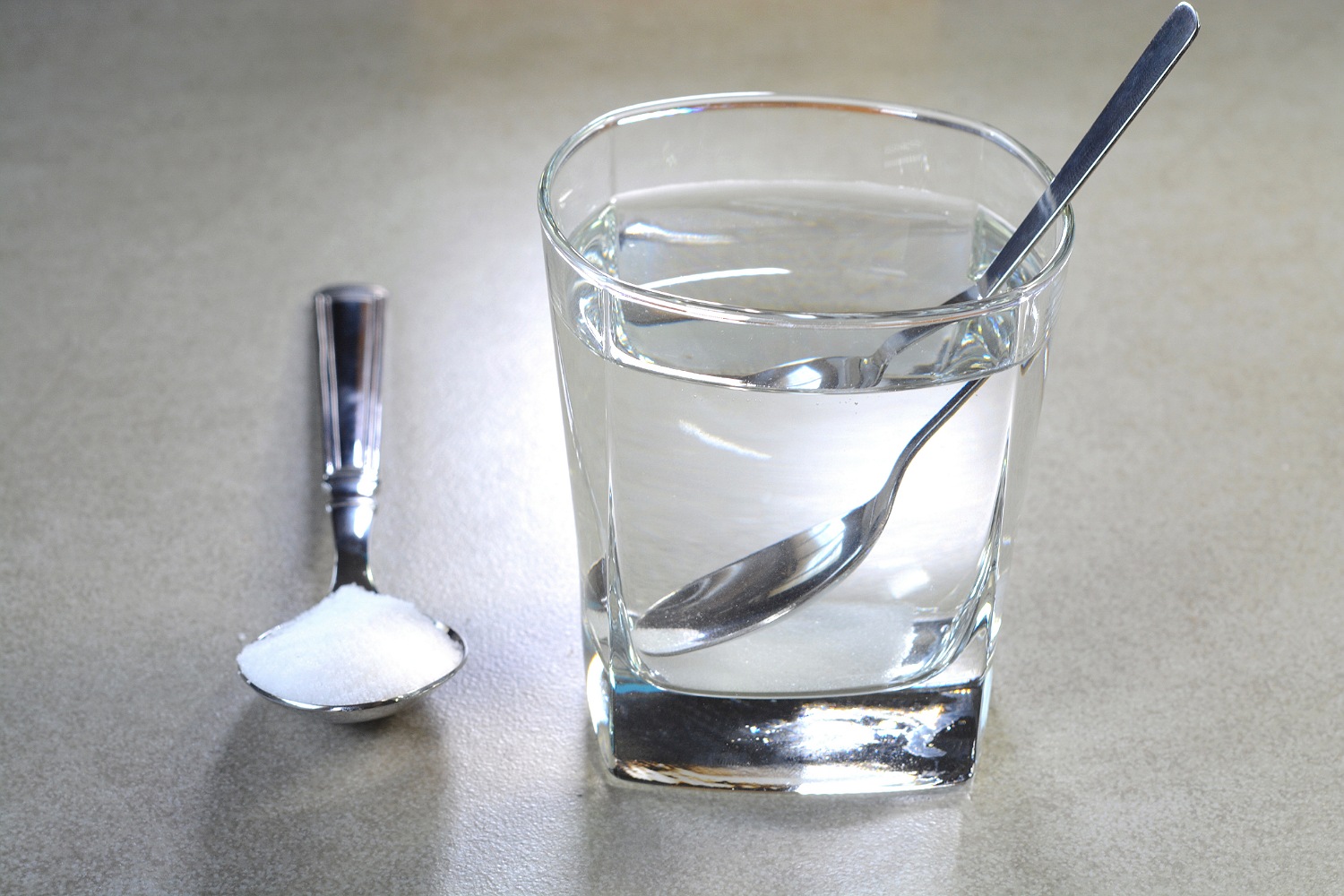
    Your go-to cleaning solution should be a saline solution, which is simply a mixture of salt and distilled water. It’s gentle yet effective at removing crusties (dried discharge) and keeping the piercing area free of bacteria. Here’s how to make your own saline solution:

    • Mix 1/4 teaspoon of non-iodized sea salt with 8 ounces of distilled water. (Avoid using tap water, as it can contain impurities.)
    • Bring the distilled water to a boil, then let it cool completely.
    • Pour the cooled saline solution into a clean spray bottle or a sterile cup.
    A mixture of salt and distilled water that will be used to clean a septum piercing.

    Cleaning Your Septum Piercing With Saline Solution

    • Clean your septum piercing twice daily, once in the morning and once before bed. Consistency is essential for proper healing and preventing infections.
    • Gently rinse the piercing with the saline solution. You can either spray the solution directly onto the piercing or soak it for a few minutes in a cup filled with saline solution.
    • Let the saline solution sit for 30-60 seconds. This allows it to loosen any crusties that may have formed around the piercing.
    • Gently move the jewelry back and forth a few times, but avoid excessive movement or twisting. This helps to dislodge any trapped debris.
    • Use a clean gauze pad or tissue to pat the area dry. Avoid rubbing, as this can irritate the piercing.

    Additional Tips for a Clean Septum Piercing

    • Wash your hands thoroughly with soap and warm water before touching your piercing. This helps to prevent the spread of bacteria.
    • Don’t use harsh soaps, alcohol, or antibacterial products. These can disrupt the natural healing process and irritate the piercing site.
    • Avoid touching or playing with your piercing excessively. This can introduce bacteria and irritate the area.
    • Be mindful during showering or bathing. Avoid submerging your piercing in heavily chlorinated water for extended periods.
    • Listen to your body. If you experience redness, swelling, or increased pain alongside discharge, it could be a sign of infection. So, consult a healthcare professional immediately.

    The Healing Journey: Patience is a Virtue

    A septum piercing typically takes 6-8 weeks to heal fully, though complete healing can take up to a year. During this time, consistent cleaning of the septum piercing and avoiding irritants are crucial. Once fully healed, you can relax your cleaning routine somewhat, but cleaning at least once a day is still recommended.

    Listen to Your Piercer

    While this guide provides a general cleaning routine, your piercer might offer specific instructions based on your anatomy and healing process. Always prioritize their advice for optimal results.

    Maintaining a clean septum piercing doesn’t have to be complicated. By following these steps and listening to your body, you can ensure your septum piercing heals smoothly and remains a beautiful addition to your look.

    Also, we invite you to see our in-depth article with all the details about septum piercings here: Septum Piercing.


    Need to find a piercer? Check out the Association of Professional Piercers.


  • What Age Can You Get A Septum Piercing?

    What Age Can You Get A Septum Piercing?

    Piercing Ya » Septum Piercing

    Join The Piercing Ya Newsletter


    What Age Can You Get A Septum Piercing?

    Would you like a septum piercing but need to know the answer to a burning question. Of course the question is, “What age can you get a septum piercing?” The allure of a septum piercing, with its unique placement and rebellious charm, can be strong. But before taking the plunge, especially for younger individuals, the question of age inevitably arises. So, at what age can you realistically get a septum piercing?

    Unfortunately, there’s no single, universal answer to the age you can get a septum piercing. Age restrictions for body piercings vary significantly depending on your location. Here’s a breakdown of the factors at play:

    • Minimum Age Laws: Some countries or states have established minimum age requirements for body piercings, often set at 16 or 18. In these cases, a minor (someone below the legal age) would require written parental consent for the procedure.
    • Piercing Shops’ Policies: Even in the absence of specific laws, piercing shops often have their own policies regarding the minimum age you can get a septum piercing. They might have a higher age requirement than the law, or stricter consent procedures for minors.

    For minors, parental involvement is crucial. Here’s what to consider:

    • Maturity and Responsibility: Parents have the right to assess their child’s maturity level and ability to handle the aftercare responsibilities of a piercing.
    • Open Communication: Open discussion about the piercing, its risks and aftercare, fosters understanding and trust between parent and child.
    • Finding a Reputable Piercer: Parents can play a crucial role in ensuring the piercing is done by a reputable professional who uses sterile equipment and follows safe piercing practices.

    Other Determining Factors Besides Age For Getting A Septum Piercing

    While age is a factor in getting a septum piercing, it’s not the only consideration. Here’s what holds equal importance:

    • Understanding Aftercare: A piercing requires a dedicated aftercare routine to prevent complications. Ensure you or your child (if a minor) are fully committed to cleaning the piercing regularly and following proper aftercare instructions.
    • Long-Term Commitment: A septum piercing is a semi-permanent modification. Consider whether you or your child (if a minor) are prepared for the long-term commitment of caring for the piercing and potentially having it for years to come.
    • Professional Risks: Depending on your profession or future career aspirations, a septum piercing might not be suitable, no matter what age you get a septum piercing. Discuss this openly, especially if considering the piercing at a younger age.
    A young woman in a jacket with a septum piercing.

    So, Are You An Old Enough Age For A Septum Piercing?

    Ultimately, the decision of getting a septum piercing, regardless of age, should be a well-informed one. Here are some steps to take:

    • Research Age Laws and Piercing Shop Policies: Understand the legal landscape and what your local piercing shops require.
    • Open Communication (if a minor): Have a mature conversation with your parents about your desire to get a septum piercing at a younger age. Make sure to address any concerns they might have.
    • Find a Reputable Piercer: Look for a piercer with a clean and professional setup, positive reviews, and experience with septum piercings.
    • Consider Aftercare and Long-Term Implications: Be prepared for the commitment. Understand cleaning and caring for the piercing, and any potential social or professional impacts.

    By carefully considering these factors, you or your child (if a minor) can make an informed decision. It’s important to discuss getting a septum piercing at a younger age. But, remember, a well-cared-for piercing at any responsible age can be a beautiful and expressive addition to your look.

    See our in-depth article with all the details about septum piercings here: Septum Piercing.


    Need to find a piercer? Check out the Association of Professional Piercers.


  • Why Does My Nose Piercing Smell?

    Why Does My Nose Piercing Smell?

    Piercing Ya » Septum Piercing

    Join The Piercing Ya Newsletter


    Why Does My Nose Piercing Smell?

    Did you ever get a whiff of something after getting your nose pierced and wondered, “Why does my nose piercing smell?” A nose piercing can be a stylish way to express yourself, but sometimes, it can take an unwelcome turn – a smelly turn. If you’ve noticed a funky odor emanating from your new or even healed piercing, don’t panic! It’s actually a fairly common occurrence. But what causes this unpleasant surprise, and how can you banish the odor for good?

    The Smelly Culprit: A Combination of Factors

    The smell from your nose piercing is likely due to a buildup of various substances. Here’s the breakdown:

    • Dead Skin Cells and Sebum: Your skin naturally sheds dead cells, and your nose produces sebum, an oily substance. When these accumulate around the piercing, they can create a breeding ground for bacteria, leading to that unpleasant odor.
    • Bodily Fluids: Blood, lymph fluid (a clear fluid involved in the immune system), and other bodily fluids can also contribute to the smell, especially during the initial healing phase.
    • Improper Cleaning: If you’re not cleaning your smelly nose piercing regularly or using harsh soaps, it can disrupt the delicate balance of the healing process and trap bacteria, leading to odor.
    • Low-Quality Jewelry: Certain cheap metals can irritate the piercing site and contribute to a buildup of discharge, increasing the risk of odor.

    Identifying the Cause: Fresh vs. Healed Piercing

    Indeed, the cause of the smell can differ depending on how long you’ve had your piercing:

    • New Nose Piercing (Healing Phase): A slight odor during the first few weeks is normal due to the body’s natural healing response. This should gradually subside with proper care.
    • Healed Nose Piercing: If your piercing is well-established but still has a smell, it’s more likely due to improper cleaning or irritation from unsuitable jewelry.

    Combating the Odor Of Your Nose Piercing

    The key to a happy (and odor-free) nose piercing lies in proper cleaning and aftercare. Here’s what you can do:

    • Clean The Nose Piercing Twice Daily: Use a saline solution or a piercing cleanser recommended by your piercer. Avoid harsh soaps, alcohol, or antibacterial products, as they can disrupt healing and irritate the area.
    • Gently! Don’t over-clean or pick at the piercing. Let the saline solution soak for a few minutes, then gently rinse and pat the area dry with a clean, lint-free cloth.
    • Mind Your Jewelry: Ensure your jewelry is high-quality, implant-grade titanium or surgical steel. Avoid constantly changing your jewelry, especially during healing.
    • Listen to Your Body: If the piercing is red, swollen, or painful alongside the odor, it could be infected. Consult a doctor or a reputable piercer for guidance.

    Preventing The Nose Piercing Smell

    By following these tips, you can significantly reduce the chances of your nose piercing developing an odor:

    • Choose Your Piercer Wisely: Go to a reputable piercer who uses sterile equipment and follows proper hygiene procedures.
    • Aftercare Consistency: Stick to your cleaning routine throughout the healing period, even if the odor seems to disappear.
    • Listen to Your Piercer’s Instructions: They’ll provide specific advice on cleaning and aftercare based on your piercing and healing process.
    • Avoid Irritants: While your piercing heals, avoid swimming in pools or chlorinated water, excessive sweating, and harsh chemicals like makeup removers or hairspray near the area.
    A woman pinching her nose trying to figure out why her nose piercing smells.

    Let’s Get Rid Of The Reason Why Your Nose Piercing Smells!

    With a little care and attention, you can keep your nose piercing looking great and smelling fresh. But remember, if the odor persists or you experience any concerning symptoms, don’t hesitate to consult a healthcare professional.

    See our in-depth articles with all the details about nose piercings here: Nose Piercings.


    Need to find a piercer? Check out the Association of Professional Piercers.
    Author: Scott S.