Category: Piercing FAQ’s

Your blog category

  • What Type Of Ear Do You Need For An Industrial Piercing?

    What Type Of Ear Do You Need For An Industrial Piercing?


    Join The Piercing Ya Newsletter


    What Type Of Ear Do You Need For An Industrial Piercing?

    What type of ear do you need for an industrial piercing?” is a common question among those considering this unique and striking double piercing. An industrial piercing consists of two piercings through the ear cartilage, connected by a single straight barbell. The industrial piercing is not just about personal style; it also requires specific anatomical considerations. Therefore, understanding the suitable ear type and shape for an industrial piercing is essential before making the decision to get one.

    Factors Of The Kind Of Ear You Need For An Industrial Piercing

    Firstly, Anatomical Suitability:
    The primary factor in determining if an industrial piercing is right for you is the anatomy of your ear. Not all ear shapes are conducive to this piercing due to the placement and angle required for the two piercings.

    Secondly, Ear Cartilage Size and Shape:
    The upper cartilage of your ear needs to be pronounced enough to safely accommodate two piercings. If the cartilage is too flat or thin, it can make an industrial piercing difficult or impossible to perform correctly.

    Thirdly, Sufficient Space:
    There should be enough space on the ear’s upper cartilage to place two piercings without causing pressure or strain. This space is necessary for the jewelry to sit comfortably and heal properly.

    Individual Variations:
    Each ear is unique, so what works for one person may not work for another.

    Professional Assessment:
    A skilled piercer can provide an assessment of your ear’s suitability for an industrial piercing. Moreover, they can examine factors like the size and shape of your cartilage, the space available for the piercing, and any potential risks or complications.
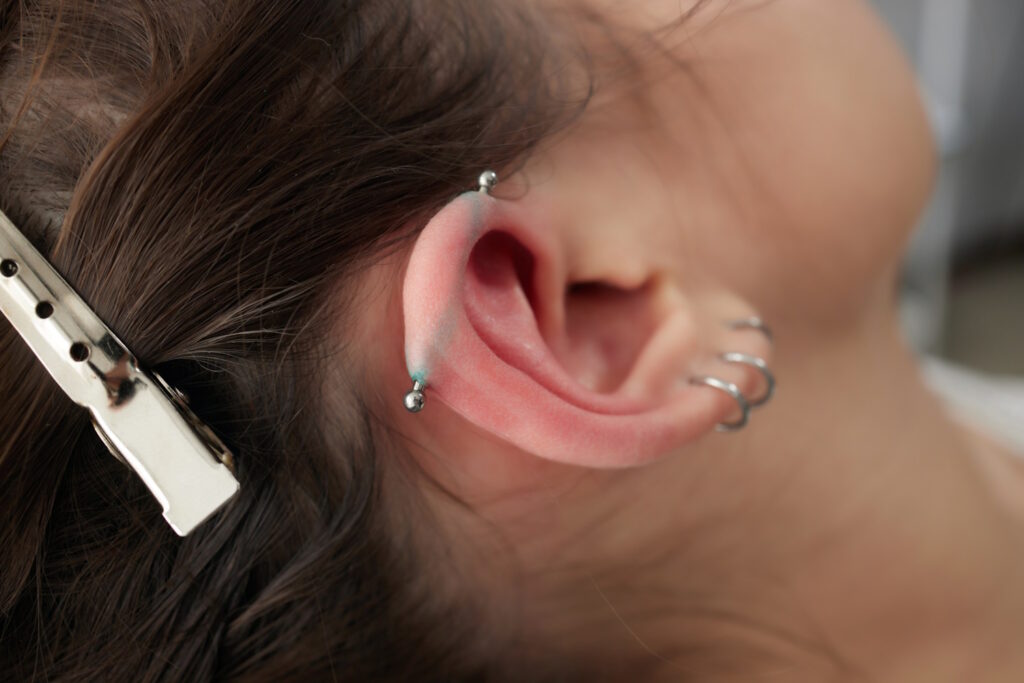
    A woman that just got a new industrial piercing.

    To Sum It Up

    So, do you have the type of ear you need for an industrial piercing? When considering an industrial piercing, it’s not just about wanting one – it’s also about whether your ear’s anatomy is suitable. Understanding the type and shape of the ear needed for this piercing is crucial. A professional consultation is essential to assess suitability and ensure that the industrial piercing not only looks great but is also safe and comfortable for your unique ear shape.

    Would you like additional information about industrial ear piercings?? See our in-depth article with all the details here: Industrial Piercing.


    Need to find a piercer? Check out the Association of Professional Piercers.

  • How Do I Clean My Belly Button Piercing?

    How Do I Clean My Belly Button Piercing?


    Join The Piercing Ya Newsletter


    How Do I Clean My Belly Button Piercing?

    One of the biggest questions for newbies with a navel piercing is, “How do I clean my belly button piercing?”. Well, I’m here to give you a thorough breakdown.

    Caring for your belly piercing is crucial for its proper healing and to avoid infections. Therefore, knowing what to use for cleaning and how to do it effectively is essential. Here’s a comprehensive guide on what you can use to clean your belly piercing, ensuring it heals beautifully and remains infection-free.

    Understanding the Healing Process

    A belly piercing is a type of body modification that goes through the skin above the navel. Like any piercing, it creates a wound that needs time to heal. Furthermore, the typical healing time for a belly piercing is between 4-6 months, but this can vary depending on individual factors like health, aftercare, and lifestyle.

    Cleaning Agents:

    • Saline Solution: For cleaning a belly piercing, the top choice is a saline solution. This can be a commercially available piercing-care saline solution or a homemade mixture. To create it yourself, dissolve 1/4 teaspoon of non-iodized sea salt in one cup of warm distilled or bottled water. It’s important to steer clear of regular table salt since it includes additional substances that might aggravate the piercing.
    • Mild, Fragrance-Free Soap: At times, it’s okay to gently cleanse the area with a mild, unscented soap. However, this should be done infrequently, as frequent use can cause irritation and dry out the skin.

    Cleaning Process:

    1. Wash Your Hands: Always start by washing your hands thoroughly with antibacterial soap. This step is crucial to avoid introducing bacteria to the piercing site.
    2. Apply Saline Solution: Soak a clean piece of gauze or a cotton ball in the saline solution and gently dab it on the piercing. Do not use cotton swabs as they can leave fibers behind.
    3. Rinse with Water: After applying the saline solution, rinse the area with clean water to remove any salt residue.
    4. Dry Gently: Gently dab the area dry using a fresh paper towel. It’s best to steer clear of cloth towels, as they might contain bacteria and could potentially catch on the jewelry.
    5. Soap Cleaning (If Necessary): When using soap, carefully create a lather around the piercing and ensure to rinse it off completely. This practice should be limited to no more than once or twice a week.

    Additional Tips On How You Clean A Belly Button Piercing:

    • Firstly, avoid using alcohol, hydrogen peroxide, or harsh antiseptics as these can delay healing and irritate the skin.
    • Secondly, do not touch or twist the jewelry unnecessarily.
    • Thirdly, avoid swimming pools, hot tubs, and soaking in baths during the initial healing phase.
    • Finally, wear loose, breathable clothing to avoid irritation.

    Monitoring Your Belly Button Piercing For Infection

    While cleaning your piercing, keep an eye out for signs of infection, such as excessive redness, swelling, foul odor, or yellowish discharge. Also, if you notice any of these symptoms, consult a healthcare professional.

    A woman with her hands in a heart shape around her belly button piercing.

    In Summary

    How you clean your belly button piercing and proper aftercare is key to the successful healing of the piercing. Therefore, using the right cleaning agents like saline solution and occasionally mild soap, along with gentle handling, will ensure your piercing heals well and remains healthy. Also, remember, that patience and consistent care are your best allies in the healing process of a belly piercing.

    See our in-depth article with all the details about belly button piercings here: Belly Button Piercing.


    Need to find a piercer? Check out the Association of Professional Piercers.


  • How Old Do You Have To Be To Get A Conch Piercing?

    How Old Do You Have To Be To Get A Conch Piercing?


    Join The Piercing Ya Newsletter


    How Old Do You Have To Be To Get A Conch Piercing?

    How old do you have to be to get a conch piercing?” is a common question for those interested in this unique form of body art. Conchs, which involve perforating the cartilage of the ear’s inner shell, have specific age requirements that vary depending on location and the policies of piercing studios. Here’s a detailed look at what you need to know about the age criteria for obtaining a conch piercing.

    Conch Piercing Age Requirements

    Generally, the legal age to get a piercing without parental consent is 18 in most regions. This age is recognized as the point where an individual is legally considered capable of making autonomous decisions about body modifications, such as piercings or tattoos. However, this age requirement can differ based on local laws and regulations.

    Indeed, for minors, many studios allow piercings like the conch with parental consent. This age limit typically starts at around 16 years old. Parental consent usually entails having a parent or legal guardian present during the piercing procedure and signing a consent form. Some studios might also ask for proof of relationship, like a birth certificate or legal guardian documentation.

    Considerations for Younger Individuals

    While adhering to legal age limits is important, the maturity and responsibility of the individual are also key factors. These piercings need careful and consistent aftercare for proper healing and infection prevention. Younger clients must be prepared to commit to this aftercare routine, which involves regular cleaning and avoiding certain activities that could disrupt the healing of the conch piercing.

    Studio Policies May Differ

    It’s important to note that piercing studios often set their own age limits, which can be more stringent than local laws. Before deciding on a studio, it’s advisable to inquire about their specific age requirements and policies regarding parental consent.

    A woman toucher her outer conch piercing with a cuff earring in it.

    A Summary Of How Old You Have To Be To Get A Conch Piercing

    In conclusion, while the typical age for getting an inner or outer conch without parental consent is 18, minors from the age of 16 can often get this piercing with a parent or guardian’s consent, depending on the studio’s policy. Those considering a conch piercing under the age of 18 should thoroughly understand the legal requirements. Also, they should assess their readiness for the responsibility of aftercare, ensuring a safe and enjoyable piercing experience.

    Would you like additional information about conchs? See our in-depth articles with all the details here: Inner Conch and Outer Conch.


    Need to find a piercer? Check out the Association of Professional Piercers.


  • Where Should A Septum Piercing Be Placed?

    Where Should A Septum Piercing Be Placed?


    Join The Piercing Ya Newsletter


    Where Should A Septum Piercing Be Placed?

    “Where should a septum piercing be placed?”. People ask this important question often. Well, I’m here to give you all the specific details with a little follow-up information.

    In recent years, a septum piercing has gained popularity as a unique and bold form of body art. Unlike other facial piercings, individuals considering getting one might be curious about its specific placement in the nose. Here’s a look at where one should place a septum piercing and what to consider before getting it.

    Placement Of The Septum Piercing

    The septum divides the nostrils, but the piercing does not actually pass through this cartilage. Instead, it goes through the “sweet spot,” a thin strip of skin at the front of the nose, just below the cartilage, and above the bottom of the nostrils. This thin strip also boasts the name of columella. It’s crucial to place the septum piercing in this soft tissue to minimize pain and facilitate easier healing.

    Professional Piercing Services

    It’s essential to have a septum piercing done by a professional piercer to have it placed correctly. They undergo training to identify the correct septum piercing location and angle for the piercing. This ensures it not only pleases aesthetically but also minimizes potential complications. An experienced piercer will also guide you through the aftercare process, which is vital for avoiding infections and ensuring a smooth healing period.

    A woman with a septum piercing that has a fancy septum ring in it.

    Summing Up The Piercing Placement

    In conclusion, placing a septum piercing in the soft tissue just below the nasal cartilage requires thorough thought and skilled assistance. This placement, also known as the columella, ensures both aesthetic appeal and minimizes discomfort during healing.

    A septum piercing is a commitment that requires careful consideration. Also, a little bit of professional assistance, both during the piercing process and throughout the healing period. With the right care and septum piercing placement, this piercing can be a stylish and unique addition to your look. It will accentuate your individuality and personal style for years to come.

    See our in-depth article with all the details about septum piercings here: Septum Piercing.


    Need to find a piercer? Check out the Association of Professional Piercers.

  • What Anatomy Do You Need For A Bridge Piercing?

    What Anatomy Do You Need For A Bridge Piercing?


    Join The Piercing Ya Newsletter


    What Anatomy Do You Need For A Bridge Piercing?

    Many people who are considering a bridge piercing always ask this question, “What anatomy do you need for a bridge piercing?”.

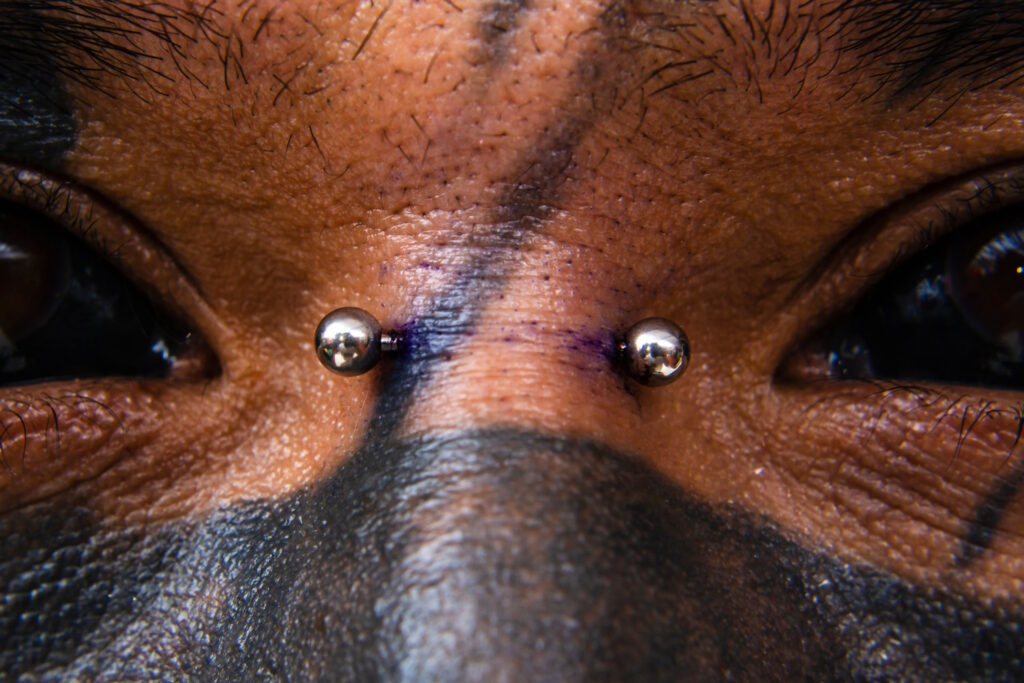
    When considering a bridge piercing, it’s crucial to assess your facial structure. Do you have the appropriate type for this distinct piercing? Positioned on the nose bridge, right between the eyes, the feasibility of this piercing varies greatly based on the person’s unique facial anatomy for the bridge piercing.

    1. Firstly, Flat and Wide Bridge Area: The most crucial anatomical requirement is having a sufficiently flat and wide area on the bridge of the nose. This space is necessary to accommodate the piercing comfortably and reduce the risk of migration or rejection.
    2. Secondly, Skin Thickness: The thickness of the skin where you want the bridge piercing also plays a significant role. Thicker skin can offer better support for the jewelry and may lead to a more successful healing process. A thin skin anatomy of the area, on the other hand, may be more prone to issues like scarring and migration when you get the bridge piercing.
    3. Thirdly, Absence of Prominent Blood Vessels: Ideally, the chosen bridge piercing location should have minimal blood vessels.  This will decrease the likelihood of excessive bleeding during and after the procedure.
    4. Finally, Facial Structure Considerations: While not a strict requirement for the anatomy of the bridge piercing, the overall structure of your face can impact both the aesthetics and practicality of the bridge piercing. Your piercer can help determine the best placement based on your facial features.
    A man with face tattoos and a bridge piercing.

    Bridge Piercing Anatomy In A Nutshell 

    Well, ultimately it’s important to consult with a professional piercer. They can assess your individual anatomy and provide guidance on whether this type of piercing is suitable for you. They can also advise on the best type and size of jewelry to use. Remember, even with the right anatomy for a bridge piercing, good aftercare is essential. It prevents infection and ensures a smooth healing process.

    See our in-depth article with all the details about bridge piercings here: Bridge Piercing.


    Need to find a piercer? Check out the Association of Professional Piercers.


  • What Tongues Can’t Be Pierced?

    What Tongues Can’t Be Pierced?


    Join The Piercing Ya Newsletter


    What Tongues Can’t Be Pierced?

    Ask yourself the following question. “What tongues can’t be pierced?“. I’m here to provide you with a detailed answer.

    When considering a tongue piercing, it’s crucial to understand that not all tongues qualify for piercing. Certain anatomical features and health conditions make tongue piercing unsafe or unadvisable.

    Firstly, Anatomical Limitations play a critical role. A short lingual frenulum (the webbing under your tongue) can restrict the tongue’s mobility and make piercing risky. Also, if the frenulum extends too far up the tongue’s underside, it may not leave enough room for a safe piercing.

    Secondly, Size and Shape of the Tongue: Some individuals have smaller or unusually shaped tongues. This limits safe placement for a tongue piercing. A professional piercer will assess the tongue’s size and shape to determine if a piercing is feasible.

    Thirdly, Oral Health Issues: People with certain oral health conditions, such as high susceptibility to infections, gum diseases, or crowded mouths due to orthodontic issues, might receive the feedback, “You can’t pierce your tongue.”. The piercing can worsen existing oral health problems.

    Medical Conditions: Conditions that affect healing, like diabetes or immune disorders, might make tongue piercing a higher risk. This is due to slower healing and increased risk of infection.

    Lifestyle Considerations: For those engaging in activities that could put their tongue at risk, like certain sports or musical instruments, experts might not recommend this piercing.

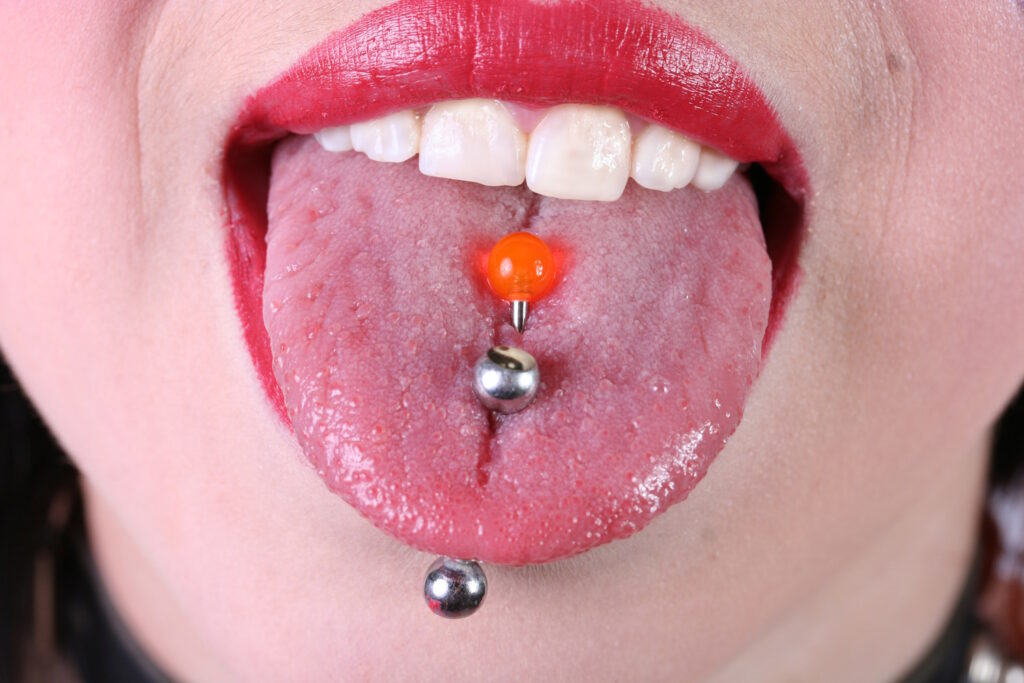
    A woman with bright red lipstick sticking out her tongue with a double tongue piercing.

    To Sum Up What Tongues Can’t Be Pierced

    Wondering how to know if you have the right anatomy for a tongue piercing? We recommended consulting with a professional piercer and possibly a healthcare provider to assess your individual situation. They provide guidance based on your anatomy, oral health, and overall health. This ensures that if you choose to get a tongue piercing, you do it safely and properly.

    Would you like additional information about tongue piercings? If so, see our in-depth articles with all the details here: Tongue Piercing.


    Need to find a piercer? Check out the Association of Professional Piercers.

  • What Is A Tongue Piercing Called?

    What Is A Tongue Piercing Called?


    Join The Piercing Ya Newsletter


    What Is A Tongue Piercing Called?

    Many people wonder “What is a tongue piercing called?”. Let me take a moment to answer this popular question for you.

    A tongue piercing is a popular form of body modification that involves the insertion of a needle through the tongue to place jewelry. When people say tongue piercing, they are referring to the most common type which is the Midline, usually adorned with a straight barbell and located at the center of the tongue.

    Beyond the standard style, there are several variations. The Venom, also known as the Frog Eyes, consists of two piercings placed side by side a little ways back from the tip of the tongue, resembling the eyes of a frog.

    The Horizontal, less common due to its complex healing process, runs horizontally across the tip of the tongue. It is also known as a Snake Eyes.

    Another variant has the name of Surface Tongue Piercing, which is placed on the surface of the tongue and doesn’t go all the way through.

    Additionally, there is the Web, also known as the Frenulum, which targets the webbing underneath the tongue.

    Each type of piercing has its unique characteristics and requires specific aftercare. This will ensure proper healing and minimize risks such as infections, swelling, or potential dental issues.

    Two women that both are sticking out their tongues and showing off their tongue piercings.

    A Tongue Piercing In A Nutshell…

    Now that we know these piercing names, it’s essential for anyone considering one of these piercings to consult with a professional piercer to understand the best type of piercing for their lifestyle, the risks involved, and the proper care needed.

    Despite the different styles and names, these piercings share a common appeal. They offer a way for individuals to express their personal style and individuality through body modification.

    Would you like additional information about tongue piercings? See our in-depth article about these types of piercings.


    Need to find a piercer? Check out the Association of Professional Piercers.