Category: Piercing FAQ’s

Your blog category

  • How Long Does a Conch Piercing Take to Heal?

    How Long Does a Conch Piercing Take to Heal?

    Piercing Ya » Piercing FAQ’s

    Join The Piercing Ya Newsletter


    How Long Does a Conch Piercing Take to Heal?

    One important question to ask before you get a conch piercing is, “How long does a conch piercing take to heal?”. Today we will explore that question. A conch piercing, in the inner part of the ear cartilage, is a popular choice for those seeking unique ear adornments. However, it’s important to understand that this piercing requires significant patience, as the healing journey can be lengthy.

    Conch Healing Timeframe

    Conch piercings are known for their extended healing time, typically ranging from 6 to 12 months. This prolonged healing period is primarily due to the dense cartilage tissue that surrounds the piercing site. Cartilage heals much slower than softer tissues, such as those found in earlobe piercings.

    Factors Influencing Healing Time

    Several factors can influence the healing duration of a conch piercing:

    • Individual Healing Rate: Everyone heals at a different pace. Some individuals may experience faster healing, while others may take longer.  
    • Aftercare Practices: Meticulous aftercare is crucial for a successful healing process. Consistent cleaning, avoiding touching the piercing unnecessarily, and refraining from playing with the jewelry can significantly impact healing time.  
    • Jewelry Material: Opting for high-quality, implant-grade materials like titanium or surgical steel can minimize irritation and promote faster healing.  
    • Lifestyle Factors: Factors such as smoking, excessive alcohol consumption, and certain medications can hinder the healing process.  

    Signs Of Healing

    During the healing of a conch piercing, it’s common to experience some discomfort, such as tenderness, slight swelling, and occasional discharge. As the piercing heals, these symptoms should gradually subside.

    Signs of Infection In Your Conch Piercing

    It’s crucial to be aware of signs of infection during your healing, these can include the following:

    • Increased pain, redness, and swelling
    • Warmth around the piercing
    • Green or yellow discharge  
    • Fever  

    If you suspect an infection of your conch piercing during your healing or after you have healed, consult with a piercer or a healthcare professional immediately.
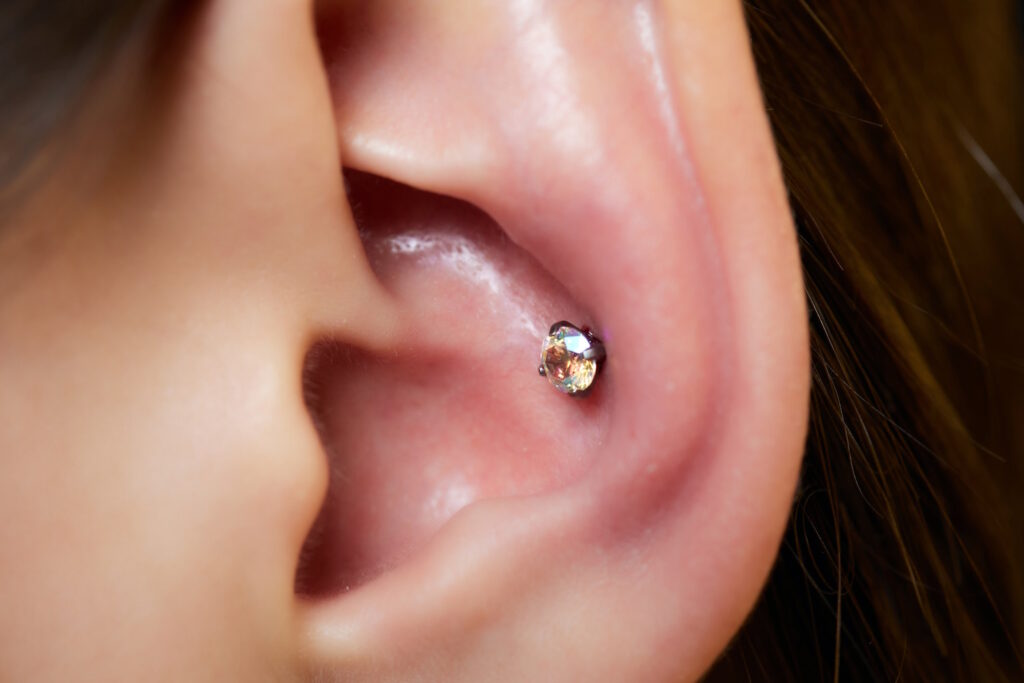
    A close up of a womans ear showing a healing conch piercing.

    So How Long Will Your Conch Take To Heal?

    No one really knows exactly. But we do know that conch piercings require patience and diligent aftercare for them to heal properly. By following proper hygiene practices and maintaining a healthy lifestyle, you can promote a smoother healing journey and enjoy your beautiful new conch piercing.  

    Would you like additional information about conchs? See our in-depth articles with all the details here: Inner Conch and Outer Conch.


    Need to find a piercer? Check out the Association of Professional Piercers.


  • Can You Breastfeed With Nipple Rings?

    Can You Breastfeed With Nipple Rings?

    Piercing Ya » Piercing FAQ’s

    Join The Piercing Ya Newsletter


    Can You Breastfeed With Nipple Rings?

    Nipple piercings can be a beautiful form of body art, but for expecting or new mothers, a question arises: Can you breastfeed with nipple rings? The answer isn’t a simple yes or no. Here’s a breakdown of the considerations and tips for safe feeding with nipple piercings.

    Potential Challenges with Nipple Rings and Breastfeeding:

    There are a few reasons why nipple rings might pose challenges for breastfeeding:

    • Choking Hazard: Loose or dangling jewelry can become a choking hazard for your baby. If the jewelry comes loose during feeding, it could be accidentally dislodged and swallowed.
    • Interference with Latch: Nipple piercings can affect your baby’s ability to latch properly. The jewelry can irritate the baby’s gums or block their access to milk ducts.
    • Infection Risks: Nipple piercings create an entry point for bacteria. The bacteria can increase the risk of mastitis (breast infection) for you and thrush (yeast infection) for your baby.

    Can You Still Breastfeed with Nipple Rings?

    While there are challenges, some mothers do breastfeed successfully with nipple rings in place. Here are some key points to consider:

    • Jewelry Style: Consider using captive bead rings or other secure styles that minimize the risk of snags or coming loose. Discuss safe options with a reputable piercer.
    • Temporary Removal: Many mothers choose to remove their nipple rings temporarily during breastfeeding sessions and reinsert them afterward. This eliminates the choking hazard and ensures a smooth latch.
    • Proper Hygiene: Meticulous cleaning of both the nipple piercings and your baby’s mouth before each feeding is crucial to prevent infections.

    Safety First: Consulting with a Healthcare Professional

    The best course of action is to discuss your situation with a healthcare professional. These include your pediatrician or a lactation consultant. They can assess your individual circumstances and advise on:

    • Safe Jewelry Options: They might recommend specific jewelry styles that pose less risk during breastfeeding.
    • Proper Removal and Insertion: They can guide you on safely removing and reinserting your nipple jewelry to minimize discomfort and prevent accidental swallowing.
    • Alternative Feeding Methods: If breastfeeding with nipple rings proves difficult, they can discuss alternative feeding methods, such as pumping and bottle-feeding, to ensure your baby receives proper nourishment.

    A mother breastfeeding with nipple rings.

    Listen to Your Body and Baby

    Ultimately, the decision of whether or not to breastfeed with nipple rings depends on your comfort level and your baby’s feeding cues.

    Pay Attention to Your Baby’s Latch: If your baby struggles to latch or seems frustrated, it might be a sign that the nipple rings are causing an issue.

    Discomfort During Feeding: If you experience any pain or discomfort during feeding with the rings in, it’s best to remove them temporarily.

    Making an Informed Choice

    Breastfeeding is a beautiful and nurturing experience. Therefore, by understanding the potential risks associated with nipple rings and breastfeeding, consulting with professionals, and prioritizing your baby’s well-being, you can make an informed decision that ensures a safe and successful feeding journey.


    Need to find a piercer? Check out the Association of Professional Piercers.


  • Where Can I Buy Septum Rings?

    Where Can I Buy Septum Rings?

    Piercing Ya » Piercing FAQ’s

    Join The Piercing Ya Newsletter


    Where Can I Buy Septum Rings?

    Many people with a new septum piercing often have one important question, “Where can I buy septum rings?” This guide will help you navigate the world of septum jewelry and discover the best places to shop.

    Indeed, a septum piercing is a bold and distinctive body modification that can enhance your style. To complete the look, you’ll need to find a place that sells septum rings. In fact, with a plethora of options available, finding the ideal place to purchase a septum ring can be overwhelming.

    Online Retailers: Where To Buy A Septum Ring Online

    • Rock Septum Rings: Owned by Piercing Ya, it is a great choice when you want to browse a website focused on septum rings. You won’t get overwhelmed with so many choices of “other body jewelry.”
    • Body Candy: A popular choice for affordable and trendy body jewelry, including a wide range of septum rings.
    • Urban Body Jewelry: Known for its high-quality, stylish, and unique pieces.
    • Hot Topic: This retailer offers a diverse selection of edgy and alternative jewelry, including septum rings.
    • Oufer Body Jewelry: Finally, Oufer is a great online destination for many types of body jewelry with a wide selection of septum jewelry.

    Piercing Aftercare And Jewelry Stores

    • Piercing Pagoda: A reliable source for quality body jewelry, including septum rings. Check Google to see if you have a Piercing Pagoda near you!
    • Claire’s: Also, Claire’s offers a variety of affordable septum jewelry, often with trendy designs. Claire’s is brick and mortar store offering various locations in local shopping areas.

    General Online Marketplaces

    • Amazon: A vast marketplace with a wide range of septum rings, from simple to ornate.
    • Etsy: A great place to find unique, handcrafted septum jewelry from independent artists.

    Where To Buy Septum Rings In Your Area

    • Specialized Piercing Studios: Find reputable piercing studio in your area. They often sell a curated selection of high-quality body jewelry, including septum rings. The only drawback is they have a tendency to be more pricey than online stores and other brick & mortar stores.
    • Tattoo Studios: Second, many tattoo studios often carry body jewelry and septum piercing jewelry, especially if they offer piercings.
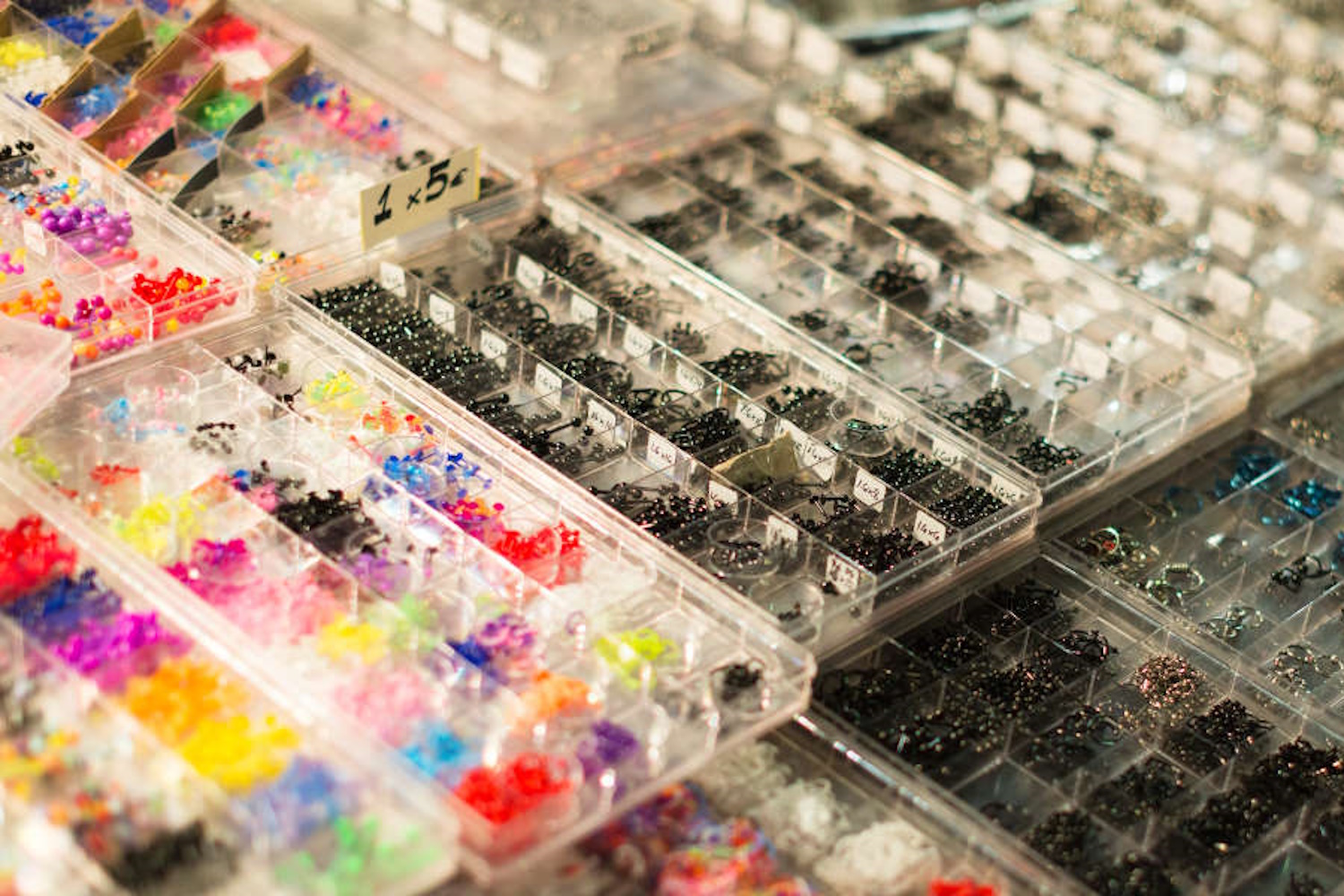
    This body jewelry shop is a place you can buy septum rings.

    There You Have It…

    So whether you prefer the convenience of online shopping or the personalized experience of a local piercing studio, there are numerous options available to find the perfect septum ring to complement your unique style. But, remember to prioritize quality, comfort, and hygiene when selecting your septum jewelry from any place you decide to make a purchase.


    Want more info about septum piercing’s?


    Need to find a piercer? Check out the Association of Professional Piercers.


  • What Is A Belly Ring?

    What Is A Belly Ring?

    Piercing Ya » Piercing FAQ’s

    Join The Piercing Ya Newsletter


    What Is A Belly Ring?

    The belly button piercing, a ubiquitous symbol of self-expression and body art, has captivated cultures for centuries. But what is a belly ring? Enter the belly ring, a piece of jewelry specifically designed to grace the navel. This guide delves into the world of belly rings, exploring their types, materials, and everything you need to know to find your perfect navel adornment.

    Belly Button Piercing VS. Belly Ring

    While often used interchangeably, a belly button piercing refers to the actual hole created through the skin of the navel, while a belly ring is the piece of jewelry inserted into that piercing. This article focuses on the latter, exploring the fascinating world of belly button jewelry.

    The Design Of The Belly Ring

    A belly ring typically consists of two main components:

    • The Barbell: This is the shaft of the jewelry that goes through the piercing. It comes in various lengths, with the standard size for initial piercings being around 7/16″ to accommodate swelling during healing.
    • The Ends: These are the decorative elements on either end of the barbell. They can be simple balls, studs adorned with gemstones, intricate designs, or even dangle belly rings.

    Here’s a closer look at some common belly ring designs:

    • Curved Barbells: These barbells have a slight curve, which some people find more comfortable for navel anatomy. They may be especially suitable for those with deeper or “innie” navels.
    • Bends and Spirals: These non-traditional designs offer a unique look but may require careful selection to ensure they conform comfortably to the navel anatomy.

    Materials For Belly Button Rings

    The material of your belly ring plays a crucial role in safety, comfort, and aesthetics. Here are the most common options:

    • Implant Grade Titanium: This is the gold standard for initial piercings due to its biocompatibility, meaning it’s less likely to cause allergic reactions.
    • Surgical Steel: Another popular choice, surgical steel is generally affordable and hypoallergenic. However, some people may still experience sensitivity.
    • Gold (14k or higher): High-quality gold is a luxurious option, offering a warm glow and classic elegance. However, ensure it’s 14k or higher to minimize nickel content, which can cause allergies.
    • Bioplast: This flexible plastic material is a good option for those with severe metal allergies or those who participate in activities with a high risk of snagging the jewelry. However, bioplast is not as durable as metal and may need to be replaced more frequently.

    Remember: Avoid low-quality metals like nickel or brass, as they can cause irritation and allergic reactions. Always prioritize implant grade titanium or surgical steel for initial piercings.

    Choosing The Right Belly Ring

    Selecting the right belly ring involves considering several factors:

    • Anatomy: Should I get a belly piercing? First, consult a professional piercer to assess your navel depth and curvature to see if you qualify for one. Also, this will help determine the ideal length and gauge for a comfortable fit.
    • Healing: For initial piercings, opt for a simple design with smooth, implant-grade titanium or surgical steel to minimize irritation during the healing process.
    • Lifestyle: Consider your daily activities. If you’re active or wear tight-fitting clothing, a snag-free design like a plain belly bar might be preferable.
    • Aesthetics: This is where personal preference shines! Explore different styles, materials, and embellishments to find a belly ring that reflects your unique personality.

    Safety First: Never attempt a self-piercing. Always visit a reputable piercer who uses sterile equipment and can guide you in choosing the right belly ring for your anatomy and preferences.

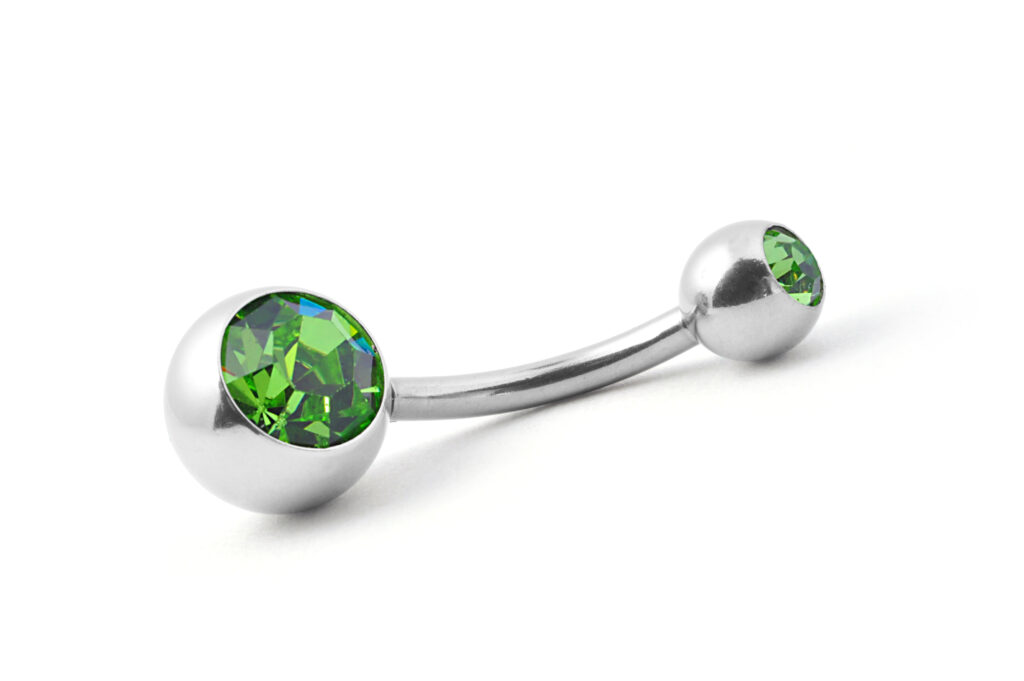
    A belly ring with an inlaid green gem on each end.

    Caring For The Belly Bling

    Once you’ve adorned your navel with the perfect belly ring, proper care is essential for optimal healing and to prevent complications. Here are some aftercare tips:

    • Cleaning: Clean your piercing regularly (usually 2-3 times a day) with a saline solution. Avoid harsh soaps or rubbing alcohol, which can irritate the healing tissue.
    • Listen to Your Body: Pay attention to any signs of infection, such as redness, swelling, or pus. If you experience any discomfort, consult your piercer immediately.
    • Avoid Irritants: During healing, avoid swimming in pools or hot tubs, as these can harbor bacteria. Steer clear of harsh chemicals, including chlorine and certain lotions.
    • Downsize Your Jewelry: Once the piercing has healed completely (typically 4-6 months), you can consider downsizing to a shorter barbell length for a more comfortable and secure fit. Consult your piercer for proper downsizing techniques.

    In A Nutshell…

    The belly button piercing and its accompanying jewelry have transcended fleeting trends. It’s a form of self-expression that allows individuals to showcase their individuality and adorn their bodies with art. With proper knowledge, careful selection, and dedicated aftercare, a belly ring can become a cherished body adornment for years to come. So, embrace the allure of the navel, find your perfect belly ring, and embark on a journey of personal expression!

    Would you like to read further about belly button piercings? If so, check out our in depth article about everything belly piercings: Belly Piercings. Also, see other questions that people ask about belly button piercings: Belly Button Piercing FAQ.


    Need to find a piercer? Check out the Association of Professional Piercers.

  • What Gauge Is A Belly Button Piercing?

    What Gauge Is A Belly Button Piercing?

    Piercing Ya » Piercing FAQ’s

    Join The Piercing Ya Newsletter


    What Gauge Is A Belly Button Piercing?

    Want a belly button piercing but you have the burning question, “What gauge is a belly button piercing?” Well let’s discuss it.

    The belly button piercing, a timeless symbol of self-expression, has adorned bodies for centuries. But for those wondering if they should take the plunge, navigating the world of piercing sizes can be daunting. The most crucial element? Understanding the gauge size, which refers to the thickness of the jewelry used.

    The Standard Gauge Of A Belly Button Piercing

    When it comes to belly button piercings, the 14 gauge reigns supreme. This size is considered the industry standard for initial piercings by professional piercers. Here’s why it takes the top spot:

    • Safety: A 14 gauge provides a good balance between being thick enough for proper healing and thin enough to minimize initial discomfort.
    • Comfort: The moderate thickness allows for easier insertion and reduces the risk of tearing during the healing process.
    • Jewelry Availability: The vast majority of belly button jewelry is manufactured in 14 gauge, ensuring a wide selection of styles and materials to suit your taste.
    • Aesthetics: This gauge offers a visually pleasing balance, not appearing too bulky or too delicate for most navel anatomies.

    Important Note: It’s crucial to get pierced with the correct gauge by a reputable professional. This minimizes the risk of complications like migration, rejection, and infection. Never attempt a self-piercing, as it can lead to serious health risks.


    Want a nipple piercing too? Discover the gauge of a nipple piercing.


    Exploring Other Gauge Options

    While 14 gauge is the gold standard, there are other gauge sizes available, each catering to specific preferences and anatomy:

    • 16 Gauge: This thinner gauge might be suitable for those with very sensitive skin or delicate navels. However, it’s less common and may have a limited selection of jewelry available.
    • 12 Gauge (and Larger): These gauges are considered larger and are typically used for stretching existing piercings. Stretching should only be done gradually and under the supervision of a professional piercer to avoid tearing or damage.
    • Custom Gauges: In rare cases, a piercer might recommend a custom gauge based on your unique anatomy. They will assess your navel depth and recommend the best size for proper placement and healing.

    Choosing the Right Gauge Size

    Before making a decision, consider these factors:

    • Navel Anatomy: A professional piercer will assess your navel depth and advise on the most suitable gauge size. They can also check for any anatomical anomalies that might influence the piercing.
    • Sensitivity: If you have very sensitive skin, a thinner gauge like 16g might be a better initial option. However, consult your piercer for guidance based on your specific sensitivity level.
    • Healing: A standard 14g size generally promotes optimal healing. If you plan to stretch in the future, discuss this with your piercer beforehand.
    • Jewelry Preference: While 14g offers the widest selection, explore available options in different gauge sizes if desired.

    Remember: Choosing the right gauge size is a crucial step in ensuring a smooth and successful piercing experience.

    Beyond the Gauge Of The Belly Button Piercing

    While gauge size plays a significant role, other factors contribute to a positive piercing experience:

    • Material: Opt for implant grade titanium, surgical steel, or high-quality gold for initial piercings. These materials minimize the risk of allergic reactions.
    • Aftercare: Following a diligent aftercare routine recommended by your piercer is vital for optimal healing. This typically includes cleaning the piercing regularly with a saline solution and avoiding harsh soaps or irritants.
    • Lifestyle: Be mindful of activities that might snag or irritate the piercing during the healing process. Consider loose-fitting clothing and avoiding strenuous exercise.
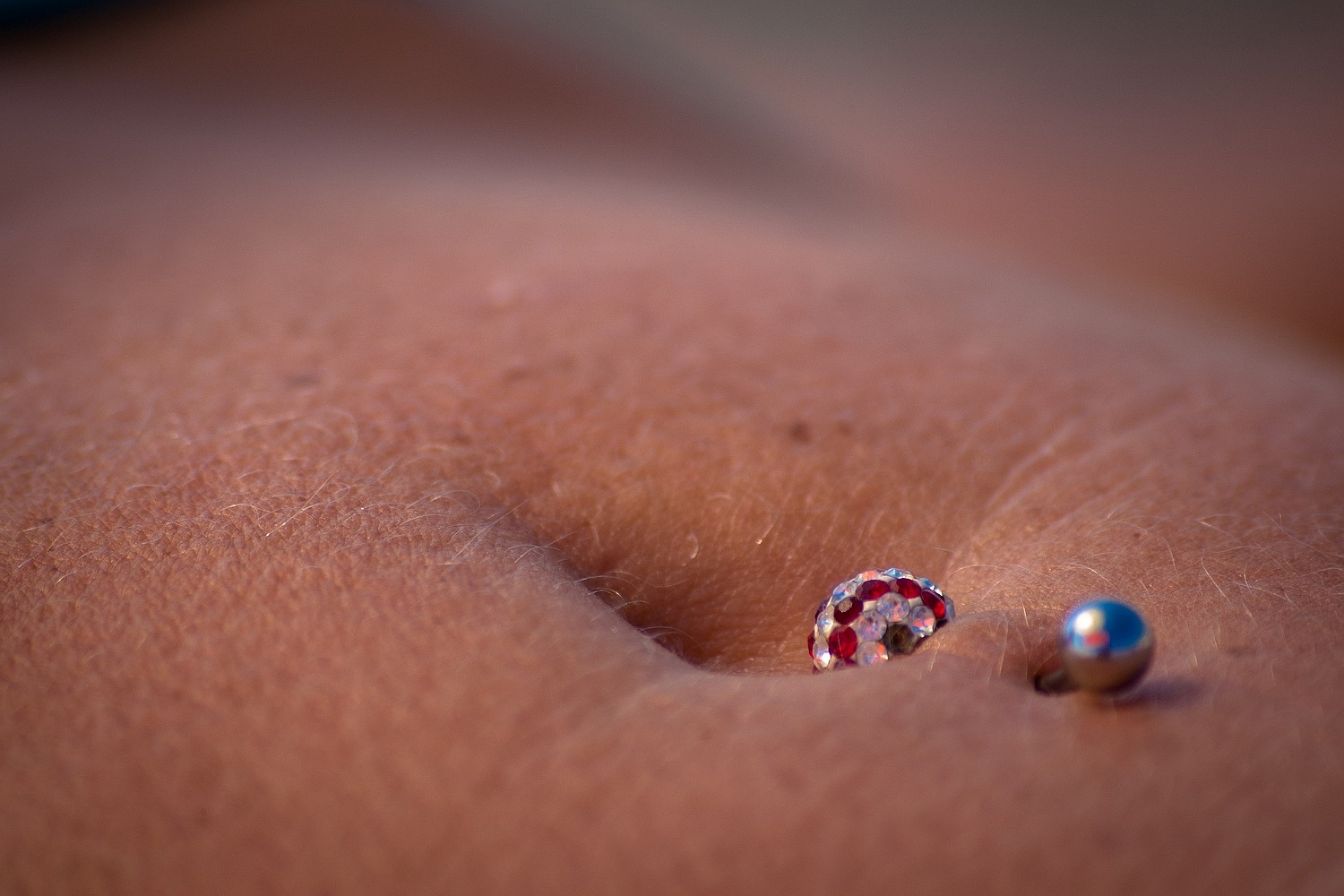
    A belly button piercing closeup with a 14 gauge belly ring in it.

    In A Nutshell…

    Understanding belly button piercing gauge sizes is an essential step towards a safe and successful body modification experience. By prioritizing the standard 14 gauge for initial piercings and consulting with a professional piercer, you can embark on your body art journey with confidence. Remember, proper aftercare and choosing the right materials are equally crucial for a smooth healing process. So, take the plunge, embrace self-expression, and let your belly button shine!

    Would you like to read further about belly button piercings? If so, check out our in depth article about everything belly piercings: Belly Piercings. Also, see other questions that people ask about belly button piercings: Belly Button Piercing FAQ.


    Need to find a piercer? Check out the Association of Professional Piercers.

  • How Do I Know If My Belly Piercing Is Infected? 

    How Do I Know If My Belly Piercing Is Infected? 

    Piercing Ya » Piercing FAQ’s

    Join The Piercing Ya Newsletter


    How Do I Know If My Belly Piercing Is Infected? 

    Belly button piercings are a popular form of body art, but like any piercing, they require proper care to prevent infection. Knowing the signs of infection can help you address the issue promptly and ensure a smooth healing journey. So you ask, “How do I know if my belly piercing is infected?“.

    Understanding Infection: When Your Body Fights Back

    An infection occurs when bacteria enter the piercing site and your body’s immune system kicks in to fight it. While some mild discomfort and redness are normal during healing (typically 4-6 months), specific indicators can signal a potential infection.

    Not All Discomfort Of The Belly Piercing Means Infection: First, The Healing Phase

    When making a decision to get a belly button piercing, realize that during the initial healing phase, some redness, swelling, and tenderness around the piercing are normal. You might also experience a clear or yellowish discharge, especially during cleaning. These symptoms should gradually improve with proper cleaning.

    When to Be Concerned About An Infected Belly Piercing

    If you experience any of the following alongside redness, swelling, or tenderness, it could indicate an infection:

    • Increased pain or throbbing sensation: This can be a sign of deeper infection beyond the surface layer.
    • Thick, green, or pus with a foul odor: A clear or yellowish discharge is normal during healing, but thick, green pus suggests infection.
    • Prolonged bleeding: Minimal bleeding is possible right after the piercing, but prolonged bleeding can be a sign of improper placement or infection.
    • Fever or chills: These indicate a more systemic infection that requires immediate medical attention.
    • Increased redness that spreads: Normal redness should stay localized around the piercing.
    • Warmth to the touch: The piercing site might feel warm if infected.
    • Red streaks radiating from the piercing: These can be a sign of infection spreading.

    Steps to Manage a Potentially Infected Belly Piercing

    If you suspect an infection, here’s what to do:

    • Clean the piercing diligently: Continue cleaning your piercing twice daily with a saline solution as instructed by your piercer.
    • Avoid harsh chemicals: Don’t use alcohol, hydrogen peroxide, or antibacterial soaps, as they can disrupt healing and irritate the area further.
    • Don’t remove the jewelry: Removing the jewelry can trap pus and worsen the infection. See a doctor or piercer for guidance.
    • Seek professional help: Visit a doctor or a reputable piercer for proper diagnosis and treatment. They might prescribe antibiotics or suggest additional cleaning solutions to help the infected belly piercing heal.

    Do you think you have an infected nose piercing also? Check this out!


    Proactive Care for Happy Navels

    The best way to deal with an infection is to prevent it in the first place. Here are some essential steps:

    • Go to a reputable piercer: Ensure they use sterile equipment and follow safe piercing practices to help avoid an infected belly piercing.
    • Maintain a clean piercing: Clean your piercing twice daily with a saline solution and avoid touching it excessively.
    • Listen to your body: If you experience any unusual pain, redness, or swelling beyond the initial healing discomfort, address it promptly.
    • Avoid irritants: While healing, avoid tight clothing, swimming in pools or hot tubs, and exposure to dust, dirt, and harsh chemicals.
    A woman with a pink crop top showing off her belly button piercing.

    Remember, early intervention is crucial. By understanding the signs of infection and taking proactive steps to care for your piercing, you can minimize the risk of complications and keep your belly button happy and healthy.

    Would you like to read further about belly button piercings? If so, check out our in depth article about everything belly piercings: Belly Piercings. Also, see other questions that people ask about belly button piercings: Belly Button Piercing FAQ.


    Need to find a piercer? Check out the Association of Professional Piercers.

  • How Much Does A Septum Piercing Cost?

    How Much Does A Septum Piercing Cost?

    Piercing Ya » Piercing FAQ’s

    Join The Piercing Ya Newsletter


    How Much Does A Septum Piercing Cost?

    The septum piercing has become a popular facial adornment, adding a touch of edge and individuality to one’s look. But, if you are old enough, before you take the plunge and get your septum pierced, a crucial question arises: “How much does a septum piercing cost?

    The answer, unfortunately, isn’t a simple one-size-fits-all. The cost of a septum piercing can vary depending on several factors. So, let’s delve deeper into what influences the price tag on your new septum bling.

    Breaking Down The Cost Of A Septum Piercing Down

    Several key factors determine the total cost of your septum piercing experience:

    • Piercer’s Experience: A skilled and experienced piercer with a good reputation will likely charge more than a beginner. Their expertise ensures proper technique, minimizing discomfort and maximizing healing success.
    • Location: Prices can differ depending on your geographic location. Generally, piercings tend to be more expensive in larger cities with a higher cost of living.
    • Jewelry: The type of jewelry you choose can significantly impact the price. Basic materials like implant-grade titanium are typically less expensive than gold or gemstones.
    • Shop Reputation: High-end piercing studios with a luxurious atmosphere might charge more than smaller shops with a more basic setup.

    A Cost Range to Expect

    With these factors in mind, how much does a septum piercing cost in general? You can expect to pay anywhere from $40 to $100 for the piercing itself. Here’s a more detailed breakdown based on location:

    • Major Metropolitan Areas (New York City, Los Angeles, Chicago): In these cities, expect a range of $60 to $120. The piercer’s experience, shop reputation, and chosen jewelry will influence the final price.
    • Mid-Sized Cities (Austin, Texas; Portland, Oregon): These cities might offer a slightly lower range, from $50 to $100.
    • Smaller Cities and Towns: The cost might be on the lower end of the spectrum, between $40 and $80.

    Remember, these are just general ranges. It’s important to consult with reputable piercers in your area to get a more accurate estimate.


    Want a tongue piercing too? Check out the cost of a tongue piercing!


    Beyond The Initial Cost Of The Septum Piercing

    While the piercing itself is the main expense, there are a few additional costs to consider:

    • Aftercare Solution: You’ll need a saline solution for cleaning your septum piercing during the healing process. This is usually a small cost, around $10-$15.
    • Jewelry Upgrade: Perhaps you start with a simple titanium ring but crave a fancy gold clicker later. Upgrading jewelry, especially with a larger size, can come with an additional cost of a septum piercing.
    • Tipping: Tipping your piercer for their service is customary. In fact, the standard tipping etiquette applies, with 15-20% of the service cost being a common range.

    Finding the Perfect Piercer

    While cost is a factor, prioritizing a reputable and experienced piercer is paramount. Here’s how to find the perfect professional for your septum piercing:

    • Research and Reviews: Read online reviews and recommendations for piercers in your area. Look for piercers with experience and expertise in septum piercings specifically.
    • Ask Around: Talk to friends with piercings or consult local tattoo and piercing shops for recommendations.
    • Check Credentials: Ensure the piercer uses sterilized equipment and follows proper sanitation protocols. Therefore, ask about their experience and aftercare instructions.
    A man with a septum piercing that has his head tilted back with a big smile on his face.

    A Word on Price Shopping

    It’s tempting to choose the cheapest cost of a septum piercing offered by a studio. But, before you decide if you should get a septum piercing, remember that a low price might indicate a less experienced piercer or a compromise on hygiene standards. This can lead to complications like infection or improper placement, potentially costing you more in the long run due to corrective procedures or medical bills.

    Taking Care of Your Investment

    Once you’ve gotten your septum piercing and paid the price, proper aftercare of the septum piercing is essential. Here are some tips:

    • Cleaning: Clean your piercing regularly with a saline solution as instructed by your piercer.
    • Avoid Touching: Resist the urge to touch or play with your piercing, as this can irritate it and slow healing.
    • Listen to Your Body: Pay attention to any signs of infection like redness, swelling, or pus. If you experience any concerns, consult your piercer or a healthcare professional.
    • Patience is Key: Healing can take several weeks. Be patient and follow aftercare instructions diligently.

    Invest in a skilled piercer, no matter the cost of the septum piercing. Also, allow for the cost of high-quality jewelry, and proper aftercare so you can ensure a smooth healing process and enjoy your septum piercing for years to come.

    See our in-depth article with all the details about septum piercings here: Septum Piercing.


    Need to find a piercer? Check out the Association of Professional Piercers.


  • How Bad Do Septum Piercings Hurt?

    How Bad Do Septum Piercings Hurt?

    Piercing Ya » Piercing FAQ’s

    Join The Piercing Ya Newsletter


    How Bad Do Septum Piercings Hurt?

    Septum piercings have become a popular way to add a touch of edge and individuality to one’s look. But before you decide if you want a septum piercing, a common question arises: “How bad do septum piercings hurt?

    Let’s delve into the world of septum piercing pain, separating fact from fiction and exploring factors that influence the discomfort level.

    The Sweet Spot of Pain

    The septum, the fleshy area between your nostrils, is relatively thin and doesn’t have many nerve endings. This means getting a septum piercing generally hurts less than piercings on other body parts. In fact, many people describe the sensation as a pinch, prick, or strong burning that lasts just a few seconds.

    Factors Affecting How Bad Septum Piercings Hurt

    While the septum itself is pain-tolerant, individual experiences can vary. Here are some reasons why:

    • Pain Tolerance: Everyone’s pain threshold is different. Some people breeze through it, while others might find it more intense.
    • Piercer’s Experience: A skilled piercer using proper technique and high-quality jewelry minimizes trauma and discomfort.
    • Anatomy: Slight variations in septum anatomy can influence how much a septum piercing hurts. Therefore, a piercer will assess your anatomy to ensure optimal placement.
    • Anxiety and Anticipation: Feeling nervous or tense can amplify pain perception. But, relaxation techniques like deep breathing can help.

    Beyond the Initial Sting

    The initial piercing is usually the most intense part. However, some tenderness, swelling, and slight discomfort around the piercing site are normal for the first few weeks. Indeed, this is your body’s natural healing response.

    Prolonging the Discomfort

    Certain factors can prolong or worsen the healing discomfort:

    • Improper Aftercare: Consistent cleaning with a saline solution and avoiding harsh products are crucial for preventing infection and promoting healing.
    • Touching or Picking: Resist the urge to touch or play with the jewelry. This can hurt the septum piercing and delay healing.
    • Bumpy Road: Small bumps around the piercing (irritation bumps) might appear. Avoid picking at them; they usually resolve with proper cleaning.

    Minimizing the Hurt

    Here are some tips to minimize pain during and after your septum piercing:

    • Find a Reputable Piercer: Choose a piercer with experience and a clean, sterile environment.
    • Communicate: Discuss any concerns with your piercer beforehand. They can guide you through the process and answer your questions.
    • Relaxation Techniques: Deep breathing or calming music can help manage anxiety during the piercing. Therefore, helping the septum piercing procedure to hurt less.
    • Aftercare Routine: Follow your piercer’s aftercare instructions religiously to ensure a smooth healing journey.
    Girl with long pink hair and a septum piercing.

    Septum Piercing Pain: The Bottom Line

    Septum piercings generally fall on the less painful side of the piercing spectrum. However, pain perception is subjective. By understanding the factors involved and following proper aftercare, you can significantly reduce how much your septum piercing hurts and enjoy your new piercing with confidence.

    With all that being said, we invite you to see our in-depth article with all the details about septum piercings here: Septum Piercing.


    Need to find a piercer? Check out the Association of Professional Piercers.


  • How Long Does A Septum Piercing Take To Heal?

    How Long Does A Septum Piercing Take To Heal?

    Piercing Ya » Piercing FAQ’s

    Join The Piercing Ya Newsletter


    How Long Does A Septum Piercing Take To Heal?

    How long does a septum piercing take to heal?” is a question that most people ask even before the question, “Should I get a septum piercing?“. Well, let’s discuss it. A septum piercing, with its placement at the sweet spot of your nose, adds a touch of edgy flair to your look. But like any piercing, it requires proper aftercare and patience for a smooth healing journey. So, how long does this journey take exactly? Let’s delve into the fascinating world of septum piercing healing timelines and everything you need to know to ensure a healthy and beautiful piercing.

    Understanding the Healing Process

    A septum piercing goes through several stages of healing, each with its own characteristics:

    • Initial Trauma (1-3 weeks): This is the most crucial period. The piercing site is fresh and vulnerable to infection. Moreover, expect some tenderness, swelling, and possibly light bleeding or discharge. Also, crusting around the jewelry is normal.
    • Inflammatory Stage (3-8 weeks): The swelling gradually subsides, but the piercing might still feel tender. Crusting continues, and cleaning becomes even more critical.
    • Healing Stage (2-4 months): The piercing feels less sensitive, and crusting should become minimal. However, refrain from jewelry changes as the fistula (the formed channel) continues to solidify.
    • Complete Healing (6-8 months): Congratulations! Your septum piercing is fully healed. Therefore, can now safely change your jewelry.

    Factors Affecting Septum Piercing Healing Time

    While the general timeframe is 6-8 months for complete healing, several factors can influence the process:

    • Piercing Technique: A professional piercer using sterile equipment and proper placement minimizes trauma and promotes faster healing.
    • Aftercare Routine: Consistent cleaning with a saline solution and avoiding harsh chemicals are essential for preventing infection, a major healing setback.
    • Your Body’s Response: Individual healing rates vary. Some people heal faster, while others might take longer.
    • Overall Health: Underlying health conditions or a weakened immune system can extend the healing time of your septum piercing.

    Considering a helix piercing to go along with your septum piercing? Discover how long a helix piercing takes to heal.


    Tips for a Speedy and Healthy Healing Process

    • Cleanliness is Key: Clean your piercing twice daily with a sterile saline solution. Also, avoid harsh soaps, alcohol, or antibacterial products, as they can irritate the piercing.
    • Don’t Touch!: Our hands harbor bacteria. Avoid unnecessary touching, playing, or twisting the jewelry. This can introduce germs and prolong healing of the septum piercing.
    • Beware the Bumpies: Small bumps around the piercing (irritation bumps) might appear. Avoid picking at them. Saline soaks and gentle cleaning usually resolve them. Although, If they persist, see your piercer.
    • Downsize Your Jewelry: Once the swelling subsides (around 4-8 weeks), consider having your piercer downsize the initial jewelry to a more fitting size. This reduces movement and irritation.
    • Listen to Your Body: Excessive pain, redness, or pus discharge might indicate an infection. Therefore, consult your doctor or piercer immediately.

    Avoid These During The Healing Of Your Septum Piercing

    • Swimming Pools & Hot Tubs: Chlorine and bacteria in these environments can irritate the piercing. Avoid them until fully healed.
    • Strenuous Exercise: Excessive sweating can introduce bacteria. Opt for lower-intensity workouts during the initial healing phase.
    • Makeup & Skincare Products: Avoid applying makeup or harsh skincare products near the septum piercing during healing as they can clog it or cause irritation.
    • Rough Clothing: Be mindful of clothing catching or snagging on the jewelry. Opt for softer fabrics and avoid scarves or hats that might irritate the area.
    A young woman is a striking pose with a septum piercing.

    Patience is Key

    The healing of your septum piercing takes time. While you might be eager to change your jewelry or flaunt your new piercing freely, resist the urge. Following proper aftercare and giving your piercing the time it needs for complete healing will ensure a beautiful and healthy outcome that you can enjoy for years to come.

    With all that being said, we invite you to see our in-depth article with all the details about septum piercings here: More Details.

    Have more questions about other piercings? See other Piercing FAQ.


    Need to find a piercer? Check out the Association of Professional Piercers.

  • Should I Get A Septum Piercing?

    Should I Get A Septum Piercing?

    Piercing Ya » Piercing FAQ’s

    Join The Piercing Ya Newsletter


    Should I Get A Septum Piercing?

    Everyone that wants a new piercing asks the question, “Should I get a septum piercing?” This piercing, with its distinctive placement on the center of the septum, has become a popular choice for its edgy yet versatile look. But before you commit to adorning your nose with septum jewelry, here’s a breakdown of the factors to consider:

    Why People Love This Piercing

    • Unique Aesthetic: Septum piercings add an undeniable touch of personality. In fact, they complement various fashion styles.
    • Relatively Painless: Compared to other facial piercings, they are generally considered less painful due to the thicker tissue in the septum.
    • Easy to Hide: The horseshoe-shaped jewelry can be flipped up discreetly, making it suitable for work environments with stricter dress codes.
    • Versatility of Jewelry: Once healed, you can explore a wide range of septum jewelry styles and sizes, from simple rings to statement pieces with intricate designs.

    Potential Downsides of Septum Piercings

    • Healing Time: While not the longest, they typically take 6-8 weeks to heal fully. Expect some tenderness and discharge during this period.
    • Rejection: There’s a slight risk of your body rejecting the piercing, causing it to migrate or push out the jewelry. Therefore, scarring may occur.
    • Sensitivity: The septum area is rich in nerves, so the piercing process might be more sensitive than others.
    • Potential for Swelling: Some initial swelling is normal. Therefore, prepare for temporary changes in your nose shape.
    • Lifestyle Considerations: Be mindful of activities like contact sports or roughhousing that could snag the jewelry.

    Making an Informed Choice: You and Your Septum

    • Age and Maturity: Septum piercings are not recommended for young teens. Consider your level of maturity and commitment to aftercare.
    • Realistic Expectations: Healing takes time, and there might be some discomfort. Therefore, don’t expect immediate flawless results.
    • Pain Tolerance: Be honest about your pain tolerance. While generally less painful, the piercing process can still be uncomfortable.
    • Lifestyle Compatibility: If your job or hobbies involve a lot of contact or risk of snagging the jewelry, a septum piercing might require extra caution.
    • Financial Investment: Factor in the cost of the piercing itself, high-quality jewelry, and aftercare products.

    Talking to the Professionals

    • Consult a Reputable Piercer: A professional piercer can assess your anatomy, discuss jewelry options, and answer all your questions about the process and aftercare.
    • Talk to Your Doctor: Do you have any underlying health conditions or concerns? It’s best to discuss them with your doctor before getting a piercing.
    A young goth woman with a septum piercing looking at her phone.

    The Choice Of Getting A Septum Piercing Is Ultimately Yours

    A septum piercing can be a beautiful and expressive addition to your look. By carefully considering the pros and cons, your lifestyle, and your commitment level, you can make an informed choice. Remember, a well-placed and well-cared-for piercing can be a conversation starter, but prioritize your health and comfort throughout the process.

    With all that being said, we invite you to see our in-depth article with all the details about septum piercings here: More Details.

    Have more questions about other piercings? See other Piercing FAQ.

    Another Piercing Suggestion:

    Have you ever wondered if you should get a belly button piercing?


    Need to find a piercer? Check out the Association of Professional Piercers.