Category: Piercing FAQ’s

Your blog category

  • How Long Does It Take For A Tongue Piercing To Close?

    How Long Does It Take For A Tongue Piercing To Close?


    Join The Piercing Ya Newsletter


    How Long Does It Take For A Tongue Piercing To Close?

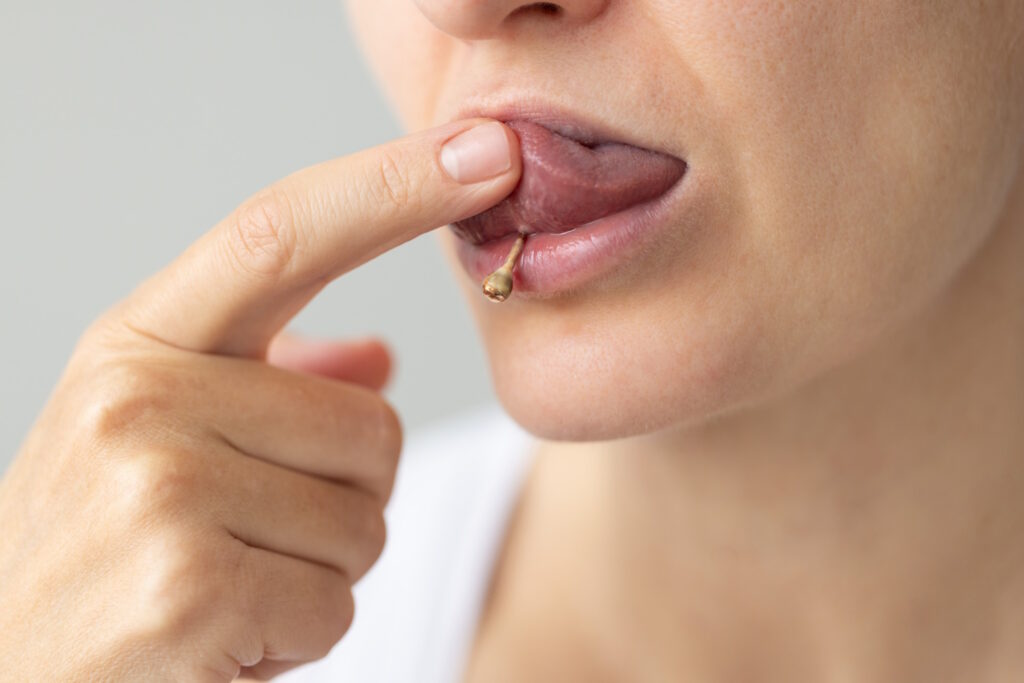
    When it comes to tongue piercings, a common question many people have is, “How long does it take for a tongue piercing to close?”. This question is crucial for anyone considering a tongue piercing or planning to take out their jewelry temporarily. The healing process and the duration for which a piercing remains open without jewelry can vary greatly from person to person, and several factors influence this.

    The Tongue Is One Of The Fastest Healing Body Parts

    Firstly, it’s important to understand that the tongue is one of the fastest-healing parts of the body. This rapid healing can be both a blessing and a challenge. On the one hand, it means that the initial healing process after getting pierced is relatively quick, typically taking between 4 to 6 weeks. On the other hand, this fast-healing nature also means that a tongue piercing can begin to close very quickly once the jewelry is removed.

    For new piercings, the closure can happen in a matter of hours. If a piercing is less than a year old, it’s more likely to close quickly. This is because the fistula (the hole created by the piercing) has not fully matured and strengthened. In such cases, even removing the jewelry for a few hours can result in partial or complete closure. If this happens, reinsertion of the jewelry may be difficult or impossible without professional help.

    In contrast, a well-healed piercing that’s been in place for several years might stay open longer without jewelry. However, there’s no guarantee, and leaving the piercing without jewelry for an extended period is always a risk. With the question, “How long does it takes for a tongue piercing to close?”, some individuals might find that their piercing remains open for days or even weeks, while others might experience closure within a day.

    Size Matters

    The size (gauge) of the jewelry also plays a role. Larger gauges create a bigger fistula, which might take longer to close. However, this is not a foolproof way to ensure your piercing will remain open. The body’s natural healing processes can still act quickly to close the opening.

    It’s also worth noting that everyone’s body reacts differently. Factors like the individual’s overall health, age, and the body’s natural healing rate can influence how quickly a tongue piercing closes.
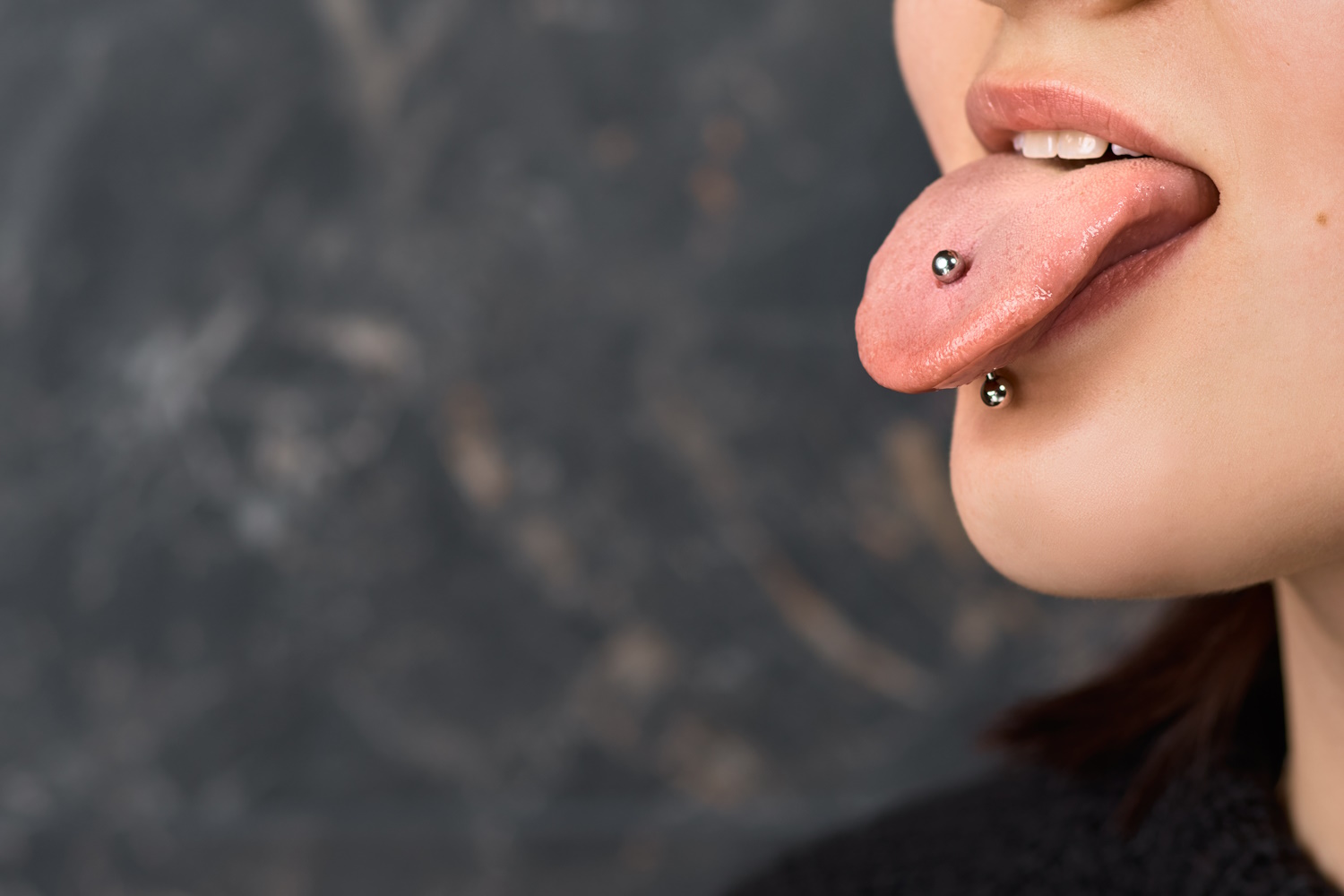
    A tongue piercing with a barbell in it.

    Tongue Piercing Closure Recap

    In a nutshell, how long it takes for a tongue piercing to close varies greatly, depending largely on how long you’ve had the piercing and your body’s natural healing processes. For newer piercings, it’s recommended to not remove the jewelry for more than a few hours. For older, well-healed piercings, they may stay open longer, but there’s still a significant risk of closure. If you need to remove your tongue piercing for any reason, it’s best to consult with a professional piercer for advice or consider using a retainer to keep the piercing open. Remember, each body is unique, and what holds true for one person may not apply to another.

    Would you like additional information about tongue piercings? See our in-depth articles with all the details here: Tongue Piercing.


    Need to find a piercer? Check out the Association of Professional Piercers.

  • What Are The Different Types Of Nose Piercings?

    What Are The Different Types Of Nose Piercings?


    Join The Piercing Ya Newsletter


    What Are The Different Types Of Nose Piercings?

    Nose piercings offer a fascinating array of styles for those seeking unique forms of self-expression, leading many to wonder, “What are the different types of nose piercings?” Each type of nose piercing brings its own distinctive flair and can be a key element in personalizing one’s appearance.

     The Nostril Piercing is perhaps the most common and versatile. Moreover, it can be placed on either side of the nose and accommodates various jewelry styles, including studs and hoops. This piercing is not just a fashion statement but also carries cultural significance in many parts of the world.

    The Septum Piercing goes through the nasal septum and offers a bold look. Besides the nostril piercing, the septum piercing is one of the most popular types of nose piercing. It’s compatible with a range of jewelry, from subtle retainers to eye-catching circular barbells. Its popularity has surged recently, making it a staple in various fashion trends.

    A less common but equally striking choice is the Bridge Piercing, situated on the bridge of the nose. This surface piercing is typically adorned with straight barbells and offers a unique aesthetic appeal.

    For those looking for something a bit higher on the nose, the High Nostril Piercing sits closer to the bone than the standard nostril piercing and is usually decorated with small studs.

     An intriguing and complex option is the Nasallang Piercing, which traverses both nostrils and the septum. This piercing, involving a long straight barbell, requires precise execution by an experienced piercer.

    The Septril Piercing, another one of the types of nose piercings,  is another rare and intricate style. Interestingly, it combines a septum and vertical tip piercing. It often requires an already stretched septum and results in a highly distinctive look.

    Adding to these styles are two unique piercings: the Austin Bar Piercing and the Rhino Piercing. The Austin Bar Piercing is a horizontal piercing that goes across the tip of the nose. However, unlike other nose piercings, it doesn’t pass through the nostril but instead pierces the skin at the nose’s tip, making it a rare and attention-grabbing choice.

    The Rhino Piercing, also known as a vertical nose tip piercing, resembles the horn of a rhinoceros, as the name suggests. It starts from just under the tip of the nose and exits at the top of the nose, creating a bold and unusual look.

    A man with a tiny nose nostril piercing.

    In A Nutshell 

    In summary, the question, “What are the different types of nose piercings?”, is a loaded one. The world of nose piercings is rich and varied, ranging from the popular nostril and septum piercings to the rare Austin Bar and Rhino piercings. Each style offers a way to express individuality and add a unique touch to one’s aesthetic. Therefore, it’s essential to seek advice from a professional piercer, who can guide you in choosing the right piercing for your style and facial structure. With the right care and choice, a nose piercing can be a standout feature of your personal style.

    See the locations of these piercings on a nose here: Nose Piercings.


    Need to find a piercer? Check out the Association of Professional Piercers.


  • How Much Does A Tongue Piercing Cost?

    How Much Does A Tongue Piercing Cost?


    Join The Piercing Ya Newsletter


    How Much Does A Tongue Piercing Cost?

    When pondering the question, “How much does a tongue piercing cost?” it’s important to consider that prices can vary widely across the country. This variation is influenced by regional differences. Also, you will find different prices based on the expertise of the piercer. Even the type of jewelry chosen and any additional aftercare products will make a difference.

    Average Tongue Piercing Cost By Region

    For instance, in bustling cities like New York or Los Angeles, where the cost of living is higher, you might expect the tongue piercing price to be upwards of $70 to $100 for a tongue piercing.

    This higher price range is often reflective of the more expensive operational costs in such metropolitan areas. Conversely, in smaller towns or cities like Omaha or Tulsa, the cost might range from $40 to $60. That’s because overhead costs for piercing studios in these areas tend to be lower.

    The experience and reputation of the piercer is a crucial factor in tongue piercing prices. For example, a well-known piercing studio in Miami or Chicago with a highly experienced professional might charge more, perhaps close to the $80 to $100 range. This higher cost can often be attributed to their expertise and the assurance of stringent hygiene and safety practices.

    Other Cost Considerations

    Jewelry choices can significantly impact the cost of a tongue piercing as well. Basic stainless steel barbells might be on the lower end of the cost spectrum, while opting for high-quality materials like titanium or gold, especially in fashion-forward cities like San Francisco or Seattle, could push the price higher.

    Additionally, aftercare is an essential aspect of piercing. Most reputable studios, whether in Boston, Denver, or any other city, will either include aftercare products in the price of the piercing or offer them at an additional cost. These products are vital for a safe and healthy healing process.

    On a national average, the cost of a tongue piercing ranges from $30 to $100. This, of couse, depends on the factors mentioned above. For instance, a piercing studio in Austin might charge around $50, inclusive of basic aftercare. However, a high-end studio in Manhattan might charge $100 with more elaborate aftercare options.

    A woman with a light blue barbell through her tongue piercing.

    In A Nutshell 

    The question, “How much does a tongue piercing cost?”, is a little more complex than it sounds. Before making a decision about a tongue piercing, it’s wise to research and contact several piercing studios in your area for quotes. This not only gives you an idea of the average cost but also what each studio offers in terms of service quality and aftercare support. Always remember, the cheapest option may not be the best. Prioritizing the piercer’s expertise, the quality of jewelry, and proper aftercare will ensure a safer and more satisfying piercing experience.

    See our in-depth articles with all the details related to tongue piercings here: Tongue Piercing.


    Need to find a piercer? Check out the Association of Professional Piercers.

  • How Fast Do Nipple Piercings Close?

    How Fast Do Nipple Piercings Close?


    Join The Piercing Ya Newsletter


    How Fast Do Nipple Piercings Close?

    Nipple piercings are a popular form of body modification, but many people have concerns about their maintenance. One of the biggest questions they have is, “How fast do nipple piercings close?”. This is an important consideration, as the closure of a piercing can vary based on several factors, including the age of the piercing, the individual’s healing process, and the type of jewelry used.

    The Facts About How Fast Nipple Piercings Close

    Firstly, it’s crucial to understand that the healing process for nipple piercings can be quite lengthy. On average, it takes anywhere from 6 months to a year for a nipple piercing to fully heal. But, this timeframe can vary significantly from person to person. During this healing period, it’s generally advised not to remove the jewelry for extended periods, as the risk of closure is high.

    If the piercing is relatively new and not fully healed, the closure can happen very quickly, sometimes within a few hours. This is because the body recognizes the piercing as a wound and attempts to heal it, which results in the piercing tract closing up. Even after the initial healing period, nipple piercings can still close relatively quickly compared to other types of body piercings. This is partly due to the nature of the tissue in the nipple area, which is softer and more prone to healing over tougher skin areas like the earlobes.

    For those who have had their nipple piercings for several years, the piercing may stay open for a longer period without jewelry. Unfortunately, that is not a guarantee. Every individual’s body reacts differently, some may find that their piercings begin to close up after a day without jewelry. On the other hand, others can leave them out for longer periods with no issues. Personally, my nipple piercings never closed after 8 years of them being out. But, I had them 10 years before that.

    It’s also worth noting that the gauge (thickness) of the piercing jewelry can impact how fast a piercing closes. Thicker jewelry tends to leave a more significant tract, which may take longer to close up entirely. Conversely, thinner jewelry might result in a faster rate at which a nipple piercing closes.

    A close up of a nipple piercing with a captive bead ring in it.

    In Short…

    In a nutshell, “How fast do nipple piercings close?” when the jewelry is removed varies greatly depending on individual healing processes and the age of the piercing. Generally, the newer the piercing, the faster it will close. To maintain the piercing, it’s advisable to keep the jewelry in place as much as possible. This is especially true during the first year. If you need to remove the jewelry for any reason, it’s wise to consult with a professional piercer. They will provide advice tailored to your specific situation. They can also assist with temporary solutions that might prevent the piercing from closing.

    Would you like additional information about nipple piercings? See our in-depth article with all the details here: Nipple Piercings.


    Need to find a piercer? Check out the Association of Professional Piercers.


  • How Long Does A Helix Piercing Take To Heal?

    How Long Does A Helix Piercing Take To Heal?


    Join The Piercing Ya Newsletter


    How Long Does A Helix Piercing Take To Heal?

    When considering a helix piercing, one of the most common questions people have is, “How long does a helix piercing take to heal?” It’s an important consideration, as the healing time can impact your care routine and lifestyle choices. A helix, located on the upper cartilage of the ear, requires a good understanding of the healing process to ensure it heals properly and remains healthy.

    Understanding The Helix Piercing Healing Time

    The helix piercing generally takes about 6 to 12 months to fully heal. However, healing times can vary greatly depending on several factors, including your body’s natural healing process, how well you care for the piercing, and your overall health. It’s essential to note that cartilage piercings, like the helix, often take longer to heal compared to soft tissue piercings due to the nature of cartilage tissue, which has less blood supply.

    The Stages Of Healing

    1. Inflammatory Phase: The first few weeks after getting your helix piercing is the initial healing stage. During this period, it’s common to experience redness, swelling, and some discomfort. Proper care during this phase is crucial to prevent infection and ensure a smooth healing process.
    2. Proliferative Phase: This phase involves the actual healing of the wound. The body works to repair the piercing channel, and you might notice the formation of a crust around the jewelry. It’s essential to keep cleaning the piercing as recommended.
    3. Maturation Phase: In this final stage, the helix piercing fully heals, and the tissue around the piercing strengthens and matures. Even if the piercing seems healed, it’s important to continue with proper aftercare to avoid complications.

    Aftercare Tips

    • Clean Regularly: Clean your helix piercing twice a day with a saline solution. Avoid over-cleaning, as it can irritate the piercing.
    • Avoid Touching: Minimize handling the piercing to prevent the introduction of bacteria.
    • Stay Clear of Irritants: Keep hair products, sprays, and lotions away from the piercing site.
    • Be Cautious with Sleeping: Try not to sleep on the side of your new helix to avoid pressure and irritation while it heals.
    • Watch for Signs of Infection: If you notice excessive swelling, redness, or discharge, consult a healthcare professional.

    Patience Is Key

    Patience is vital when it comes to the helix piercing healing time. Rushing the healing process or neglecting proper aftercare can lead to complications, such as infections or piercing bumps. Regular check-ups with your piercer can also help ensure your piercing is healing correctly.

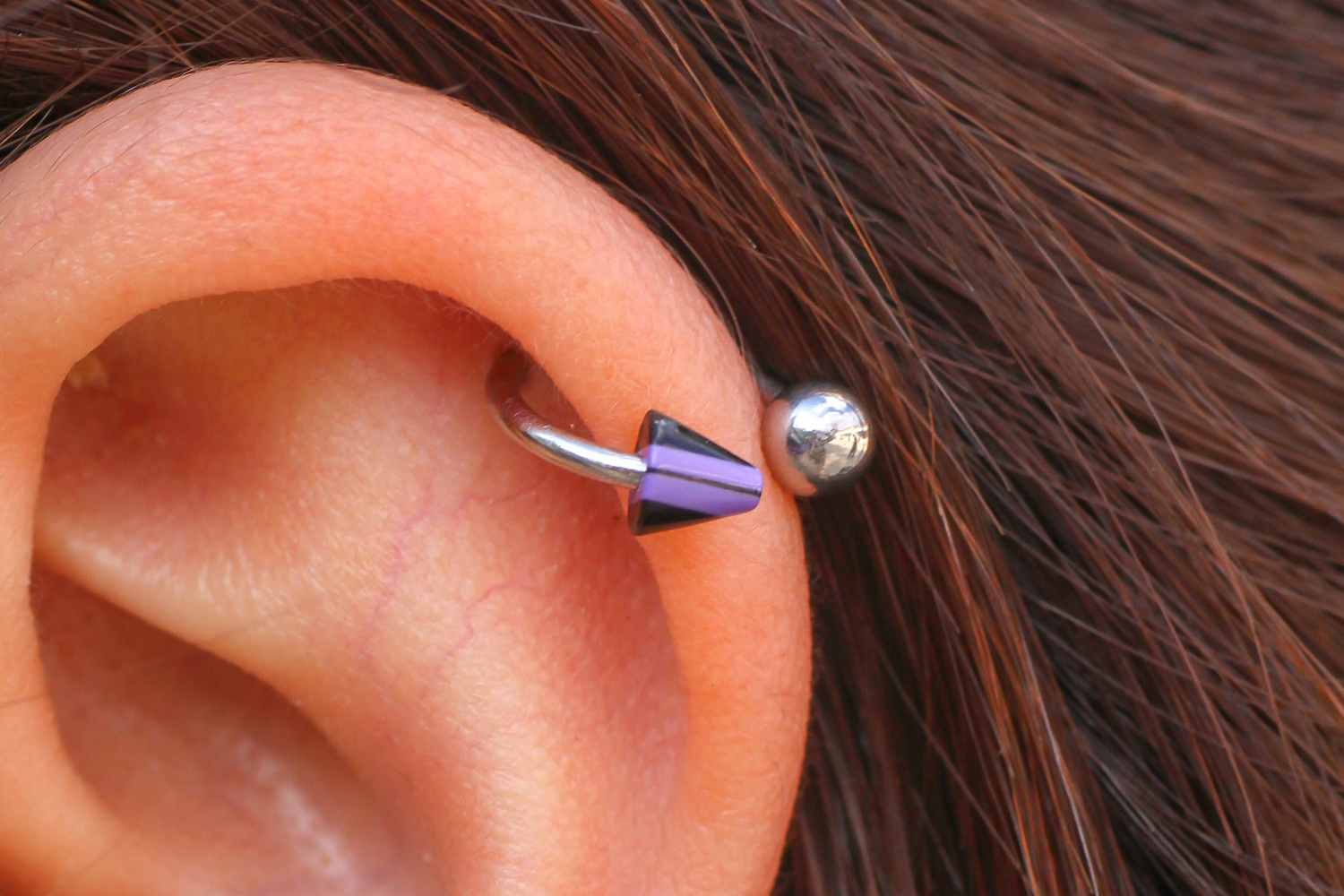
    A healed helix piercing with a circular barbell that has purple spikes.

    In The End

    To put it simply, while a helix piercing can take a significant amount of time to heal fully, understanding and following the right aftercare procedures can lead to a beautifully healed piercing. Remember, every individual’s healing process is different, so listen to your body and give it the time it needs to heal. 

    See our in-depth article with all the details about helix piercings here: Helix Piercing.


    Need to find a piercer? Check out the Association of Professional Piercers.


  • What Do You Clean Nipple Piercings With?

    What Do You Clean Nipple Piercings With?


    Join The Piercing Ya Newsletter


    What Do You Clean Nipple Piercings With?

    When it comes to body piercings, proper aftercare is crucial for healing and preventing infections. A question that often surfaces for those new to body modifications, especially after getting nipple piercings, is: “What do you clean nipple piercings with?” This concern is valid, considering the sensitive nature of the area. Let’s dive into the best practices for keeping your nipple piercings clean and healthy.

    Understanding the Importance of Proper Cleaning

    Nipple piercings, like any other body piercings, require meticulous care. The healing process can be quite lengthy, typically taking anywhere from 6 months to a year. During this time, the pierced area is vulnerable to infections and other complications. Therefore, cleaning your piercings correctly and consistently is paramount.

    Indeed, when cleaning nipple piercings, the safest and most recommended cleaning solution for nipple piercings is saline solution. You can either purchase a pre-made sterile saline solution (often marketed as wound wash) from a pharmacy, or you can make your own at home. To prepare a homemade saline solution, mix about 1/4 teaspoon of sea salt (non-iodized) into one cup of warm distilled or bottled water.

    Cleaning Process

    Here’s a step-by-step guide to cleaning your nipple piercings:

    1. Firstly, Wash Your Hands: Always start by thoroughly washing your hands with antibacterial soap to avoid introducing new bacteria to the piercing.
    2. Secondly, Apply Saline Solution: Soak a clean paper towel or even gauze in saline solution and gently put it against the piercing. Alternatively, you can use a clean cup or container to hold the solution against the piercing for a few minutes.
    3. Thirdly, Gently Cleanse: Very gently, clean around the piercing and the jewelry with the saline-soaked paper towel or gauze. Do not twist or turn the jewelry.
    4. Then, Rinse With Water: After cleaning, rinse the area with clean, slightly warm water to remove any salt residue.
    5. Finally, Dry Carefully: Pat the area dry with a clean, paper towel. Towels made of cloth harbor bacteria and should be avoided.

    Frequency Of Cleaning Nipple Piercings

    Clean your nipple piercings at least twice a day. Consistency is key to preventing infections and promoting healing.

    Additional Tips

    • Avoid using harsh cleansers like alcohol, hydrogen peroxide, or antibacterial soaps, as they can bother the piercing.
    • Resist the urge to touch or play with your piercings, as this can introduce bacteria and delay healing.
    • Wear loose, breathable clothing to avoid irritation and allow air circulation around the piercing.
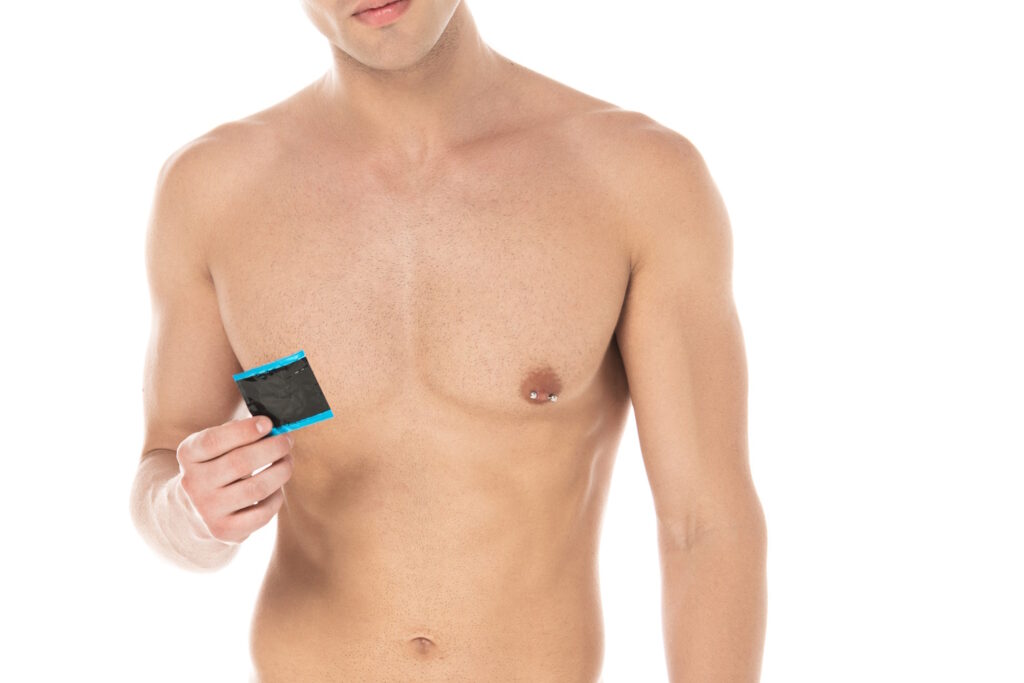
    A male torso and chest with a nipple piercing that has a straight barbell through it.

    Final Thoughts About Cleaning Nipple Piercings

    In a nutshell, cleaning nipple piercings requires a gentle approach with the right materials. Therefore, using a saline solution for cleaning, coupled with gentle care and consistent hygiene practices, will help ensure your piercings heal beautifully and remain healthy. Remember, patience and proper care are your best friends during the healing process of any body piercing.

    Would you like additional information about nipple piercings? See our in-depth article with all the details here: Nipple Piercings.


    Need to find a piercer? Check out the Association of Professional Piercers.


  • Why Is My Helix Piercing Throbbing?

    Why Is My Helix Piercing Throbbing?


    Join The Piercing Ya Newsletter


    Why Is My Helix Piercing Throbbing?

    If you’re wondering, “Why is my helix piercing throbbing?”, you’re not alone. This is a common concern among those who have recently adorned their ears with this stylish form of ear piercing. Understanding why your helix piercing is throbbing and how to address it is key to a healthy and comfortable healing process.

    The Healing Process Helix Throbbing

    Firstly, it’s essential to understand that any piercing is a form of controlled injury to the body. Your helix piercing, located on the upper cartilage of your ear, is no exception. When you get a piercing, your body’s natural response is to heal the wound. This response can lead to swelling, redness, and a throbbing sensation. This is a normal part of the healing process, especially within the first few days or weeks after getting the piercing.

    Infection And Helix Throbbing Pain
    However, if the throbbing is persistent or worsens over time, it could be a sign of infection. Symptoms of an infected helix piercing include severe throbbing pain, increased redness, swelling, warmth at the site, and possibly the discharge of pus. It’s crucial to be table to tell the difference between normal healing throbbing and the throbbing that accompanies infection. If you suspect an infection, it’s important to consult a doctor as soon as possible.

    Irritation And Helix Throbbing
    Another reason for helix piercing throbbing could be irritation. This can be caused by several factors, including allergic reactions to the jewelry material. Also, bad aftercare or trauma to the piercing site can cause an irritation. For instance, sleeping on the pierced ear or using headphones can bother the piercing, leading to more throbbing and pain.

    Proper Aftercare To Reduce Helix Throbbing
    To minimize throbbing and promote healing, proper aftercare is vital. This includes cleaning the piercing with a saline solution twice a day, not touching or twisting the jewelry, and keeping the area dry. It’s also suggested to avoid swimming pools, hot tubs, and other bodies of water that could introduce bacteria to the piercing site.

    A helix piercing that is completely healed with a three ring helix earring in it.

    When To Seek Medical Advice

    Now that you know, why your helix piercing is throbbing, while a throbbing sensation in your helix piercing can be a normal part of the healing process, it’s important to be on the outlook for signs of infection or other problems. If the throbbing is accompanied by severe pain, swelling, redness, or discharge, or if it doesn’t improve with proper aftercare, seeking medical advice is crucial for your health and the well-being of your piercing. Remember, everybody reacts differently to piercings, so listening to yours and taking appropriate action is key.

    See our in-depth article with all the details about helix piercings here: Helix Piercing.


    Need to find a piercer? Check out the Association of Professional Piercers.


  • How Long Does It Take For An Eyebrow Piercing To Heal?

    How Long Does It Take For An Eyebrow Piercing To Heal?


    Join The Piercing Ya Newsletter


    How Long Does It Take For An Eyebrow Piercing To Heal?

    When it comes to expressing personal style through body art, an eyebrow piercing is a popular choice. But, a common and important question arises, “How long does it take for an eyebrow piercing to heal?” The healing time of any piercing can vary based on several factors, including the type of piercing, aftercare, and individual healing processes. An eyebrow piercing, with its unique position and care requirements, has its specific timeline for healing.

    Typical Healing Time:

    Generally, an eyebrow takes about 6 to 8 weeks to heal partially. However, complete healing can take anywhere from 3 to 6 months. The initial weeks are crucial for setting the stage for a smooth healing process. During this time, the piercing is healing on the surface. The complete healing, involving the tissue around the jewelry, takes longer.

    Factors Influencing Brow Piercing Healing Time:

    • Aftercare Routine: Diligent aftercare is essential. Regular cleaning with saline solution and avoiding touching or twisting the piercing can speed up healing.
    • Body’s Healing Ability: Individual differences in the body’s healing process play a significant role. Some people’s eyebrow piercing naturally heal faster than others.
    • Type of Jewelry: The material of the jewelry can affect healing. Hypoallergenic materials like surgical steel or titanium are less likely to cause irritation.
    • Lifestyle Factors: Habits like smoking or poor nutrition can slow down the healing process of the eyebrow.

    During the Eyebrow Piercing Healing Process:

    It’s normal to experience some swelling, redness, and a small amount of discharge in the first few days during the healing process of an eyebrow piercing. On the other hand, watch for signs of infection in the piercing like excessive redness, pain, or pus, which require prompt medical attention.

    Piercing Aftercare Tips:

    • Clean Regularly: Use a saline solution to gently clean the area twice a day.
    • Avoid Makeup and Lotions: These can cause irritation and introduce bacteria to the healing eyebrow piercing site.
    • Be Careful with Clothing and Activities: Avoid activities and clothing that might snag or put pressure on the piercing.

    Long-Term Care For An Eyebrow Piercing:

    Even after the initial period it takes for an eyebrow piercing heal, it’s important to maintain good hygiene around the piercing. Regular cleaning during the long term  along with periodic checks for signs of irritation or infection can help keep your eyebrow piercing healthy.

    A woman with an eyebrow piercing.

    To Sum Up

    In a nutshell, the question, “How long does it take for an eyebrow piercing to heal?”, can vary, but typically, it ranges from 6 to 8 weeks for initial healing, with complete healing taking up to 6 months. The key to a well-healed eyebrow piercing lies in following a proper aftercare routine. Also, choosing the right jewelry, and considering individual health and lifestyle factors. By understanding and respecting the healing process, you can ensure your eyebrow piercing remains a stylish and healthy expression of your individuality.

    See our in-depth article with all the details about eyebrow piercings here: Eyebrow Piercings.


    Need to find a piercer? Check out the Association of Professional Piercers.


  • What Can I Eat After Getting A Tongue Piercing?

    What Can I Eat After Getting A Tongue Piercing?


    Join The Piercing Ya Newsletter


    What Can I Eat After Getting A Tongue Piercing?

    “What can I eat after getting a tongue piercing?” This is a critical question for anyone who has just undergone this unique form of body modification. A tongue piercing requires specific aftercare, especially when it comes to diet, to ensure proper healing and avoid complications. Understanding what foods are safe and which ones to avoid is key in the days and weeks following your piercing.

    Immediately After Getting A Tongue Piercing:

    In the first few hours after getting your tongue pierced, it’s normal to experience swelling and some discomfort. During this period after getting a tongue piercing, it’s advisable to avoid eating until the anesthesia, if used, wears off to prevent biting your tongue accidentally.

    Safe Foods For Initial Days After A Tongue Piercing:

    • Firstly, Cold Foods And Beverages: Cold items can help soothe swelling of the tongue. Think of ice cream, yogurt, and cold smoothies (without a straw, as sucking motions can cause issues).
    • Secondly, Soft Foods: Soft, easy-to-swallow foods after a tongue piercing are ideal. Applesauce, mashed potatoes, oatmeal, and well-cooked pasta are good choices.
    • Thirdly, Lukewarm Soups: Soups are nutritious and gentle on a healing tongue piercing, but make sure they’re not too hot.
    • Finally, Meal Replacement Shakes: These can be a good source of nutrition when you find it hard to eat solid foods after getting a tongue piercing.

    Foods To Avoid After A Tongue Piercing:

    • Firstly, Spicy And Acidic Foods: These may irritate the tongue piercing. Avoid citrus fruits, spicy sauces, and seasoned foods.
    • Secondly, Crunchy Or Hard Foods: Chips, raw vegetables, and hard fruits can cause pain and damage to the tongue piercing.
    • Thirdly, Alcoholic Beverages: Alcohol can increase swelling and delay healing.
    • Finally, Hot Beverages And Foods: Heat can exacerbate swelling and discomfort.

    Eating Tips:

    • Firstly, Chew Slowly And Carefully After A Tongue Piercing: Be mindful while eating to avoid biting the jewelry.
    • Secondly, Eat Small Bites: Take small bites to make chewing easier and reduce the risk of irritating the piercing.
    • Finally, Good Oral Hygiene: Rinse your mouth with a saline solution or alcohol-free mouthwash after eating to keep the piercing clean.

    Long-Term Dietary Considerations:

    After the initial healing phase, which typically lasts a few weeks, you can gradually reintroduce other foods into your diet. However, continue to be cautious with very spicy, crunchy, or hard foods until your tongue has completely healed.

    A woman with a tongue piercing sticking out her tongue and showing it off.

    Final Thoughts 

    Now that we know what to eat after getting a tongue piercing, prioritizing the right types of food is essential for a smooth healing process. Stick to cold, soft, and non-irritating foods in the beginning and slowly reintroduce other foods as your piercing heals. Remember, maintaining good oral hygiene after meals is just as crucial as the food choices you make. With proper care and diet, your tongue piercing will heal nicely, allowing you to enjoy a wider range of foods once again.

    See our in-depth article with all the details about tongue piercings here: Tongue Piercing.


    Need to find a piercer? Check out the Association of Professional Piercers.


  • What Do I Do If My Nose Piercing Is Infected?

    What Do I Do If My Nose Piercing Is Infected?


    Join The Piercing Ya Newsletter


    What Do I Do If My Nose Piercing Is Infected?

    What do I do if my nose piercing is infected?“. Indeed, this is a question many face when navigating the aftercare of a new nose piercing. Therefore, recognizing and effectively treating an infection is crucial for your health and the healing of the piercing. Here’s a guide to identifying and managing an infected nose piercing.

    Infected Or Not?

    Firstly, it’s important to differentiate between normal healing and a infection. Some redness, swelling, and clear discharge are typical in the first few days. However, if you notice increased redness, swelling, a hot feeling on the touch, throbbing pain, or yellow/green discharge, these are signs of infection.

    If Your Nose Piercing Is Infected, Take These Steps Immediately

    1. Firstly, Don’t remove the Jewelry: It might seem intuitive to remove the jewelry, but doing so can cause the hole to close up, trapping the infection inside.
    2. Secondly, Clean the Area: Gently clean the infected area of the nose piercing with a saline solution. You can make this at home by dissolving 1/4 teaspoon of non-iodized sea salt into one cup of warm distilled water. Avoid using harsh chemicals like hydrogen peroxide or alcohol, as they can irritate the piercing.
    3. Thirdly, Apply Warm Compresses to the nose piercing: Soak a clean cloth in warm saline solution and apply it to the piercing. This can reduce swelling and draw out the infection.
    4. Finally, Avoid Touching The Jewelry: Touching the infected nose piercing with unclean hands can introduce more bacteria to the area.

    Seeking Professional Help:
    If symptoms persist or worsen, it’s crucial to seek medical attention. A healthcare professional might prescribe antibiotics or recommend further care.

    Preventing Future Nose Piercing Infection:
    To prevent getting your nose piercing infected again, always follow the aftercare instructions provided by your piercer. This brings us to the question,”How do you care for a nose piercing?” The key is keeping the area clean and dry. Make sure to regularly clean the piercing with saline solution. Also, avoid makeup or lotions around the piercing site. Finally, ensure your hands are clean before touching the area.

    The face of a woman with the setting sun behind her that has a small nose piercing.

    In Summary

    Dealing with an infected nose piercing requires prompt and proper care. Recognize the signs of infection, take immediate care steps, and don’t hesitate to seek medical help if needed. To minimize risks, always follow thorough aftercare practices. With proper attention and care, your piercing will heal beautifully and be a stylish addition to your look.

    For in-depth articles about several types of nose piercings, visit our nose piercing articles here: Nose Piercings


    Need to find a piercer? Check out the Association of Professional Piercers.