Category: Nipple Piercings

  • Can You Breastfeed With Nipple Rings?

    Can You Breastfeed With Nipple Rings?

    Piercing Ya » Nipple Piercings

    Join The Piercing Ya Newsletter


    Can You Breastfeed With Nipple Rings?

    Nipple piercings can be a beautiful form of body art, but for expecting or new mothers, a question arises: Can you breastfeed with nipple rings? The answer isn’t a simple yes or no. Here’s a breakdown of the considerations and tips for safe feeding with nipple piercings.

    Potential Challenges with Nipple Rings and Breastfeeding:

    There are a few reasons why nipple rings might pose challenges for breastfeeding:

    • Choking Hazard: Loose or dangling jewelry can become a choking hazard for your baby. If the jewelry comes loose during feeding, it could be accidentally dislodged and swallowed.
    • Interference with Latch: Nipple piercings can affect your baby’s ability to latch properly. The jewelry can irritate the baby’s gums or block their access to milk ducts.
    • Infection Risks: Nipple piercings create an entry point for bacteria. The bacteria can increase the risk of mastitis (breast infection) for you and thrush (yeast infection) for your baby.

    Can You Still Breastfeed with Nipple Rings?

    While there are challenges, some mothers do breastfeed successfully with nipple rings in place. Here are some key points to consider:

    • Jewelry Style: Consider using captive bead rings or other secure styles that minimize the risk of snags or coming loose. Discuss safe options with a reputable piercer.
    • Temporary Removal: Many mothers choose to remove their nipple rings temporarily during breastfeeding sessions and reinsert them afterward. This eliminates the choking hazard and ensures a smooth latch.
    • Proper Hygiene: Meticulous cleaning of both the nipple piercings and your baby’s mouth before each feeding is crucial to prevent infections.

    Safety First: Consulting with a Healthcare Professional

    The best course of action is to discuss your situation with a healthcare professional. These include your pediatrician or a lactation consultant. They can assess your individual circumstances and advise on:

    • Safe Jewelry Options: They might recommend specific jewelry styles that pose less risk during breastfeeding.
    • Proper Removal and Insertion: They can guide you on safely removing and reinserting your nipple jewelry to minimize discomfort and prevent accidental swallowing.
    • Alternative Feeding Methods: If breastfeeding with nipple rings proves difficult, they can discuss alternative feeding methods, such as pumping and bottle-feeding, to ensure your baby receives proper nourishment.

    A mother breastfeeding with nipple rings.

    Listen to Your Body and Baby

    Ultimately, the decision of whether or not to breastfeed with nipple rings depends on your comfort level and your baby’s feeding cues.

    Pay Attention to Your Baby’s Latch: If your baby struggles to latch or seems frustrated, it might be a sign that the nipple rings are causing an issue.

    Discomfort During Feeding: If you experience any pain or discomfort during feeding with the rings in, it’s best to remove them temporarily.

    Making an Informed Choice

    Breastfeeding is a beautiful and nurturing experience. Therefore, by understanding the potential risks associated with nipple rings and breastfeeding, consulting with professionals, and prioritizing your baby’s well-being, you can make an informed decision that ensures a safe and successful feeding journey.


    Need to find a piercer? Check out the Association of Professional Piercers.

  • What Gauge Is A Nipple Piercing?

    What Gauge Is A Nipple Piercing?

    Piercing Ya » Nipple Piercings

    Join The Piercing Ya Newsletter


    What Gauge Is A Nipple Piercing?

    When contemplating getting a nipple piercing, one of the key questions that often arises is, “What gauge is a nipple piercing?” Understanding the gauge, or thickness, of the jewelry used for a nipple piercing is crucial as it affects the healing process, the appearance, and the comfort level of the piercing.

    Typically, piercers use a nipple piercing gauge of 14 or a 12 gauge needle for nipple piercings. Piercers prefer these sizes because they are thick enough to ensure the piercing is stable and less prone to complications. Smaller needles lead to migration (movement of the piercing) or rejection (the body pushing out the piercing as a foreign object). A 14 gauge, which is about 1.6mm in thickness, is the most common size used for nipple piercings. It provides a balance between being substantial enough for a secure piercing and not too large to cause excessive discomfort.

    Nipple Piercing Gauge Alternatives

    In some cases, piercers may use a 12 gauge, approximately 2mm in thickness. This size is slightly thicker and can offer more stability for the piercing, especially in areas where the tissue is denser. The choice between a 14 gauge and a 12 gauge often depends on the anatomy of the individual. Also, the preference of the piercer, and sometimes, the client’s personal choice are factors too.

    It’s important to note that piercers generally do not recommend using a smaller gauge, like 16 gauge, for nipple piercings, although it’s used for other types of piercings. Moreover, if a nipple is extremely small and cannot accommodate a thicker gauge a 16g may be used. Most of the time smaller gauges can lead to the “cheese-cutter effect,”. This effect means the thinner jewelry can more easily tear through the tissue. It leads to pain and potentially prolonging the healing process.

    When it comes to the healing process, the gauge of a nipple piercing can play a significant role. Thicker gauges tend to heal more robustly as they create a more substantial fistula. The fistula is the tunnel of scar tissue that forms around the jewelry. The size and and fistula reduce the risk of complications. The healing time for a nipple piercing is anywhere from 6 to 12 months. Moreover, there are possibilities where it can even be longer. It’s crucial during this time to follow proper aftercare procedures to ensure healthy healing.

    A close up of a 10 gauge nipple piercing.

    The Size In A Nutshell

    In a nutshell, when considering a nipple piercing, you’ll likely be looking at either a 14 or a 12 gauge piercing. You should choose between these sizes in consultation with a professional piercer, considering your anatomy, lifestyle, and personal comfort. Remember, the gauge is just one aspect of the piercing process. The success and health of your piercing will also depend on many factors. These include the quality of the jewelry, the skill of the piercer, and your adherence to aftercare guidelines.

    Would you like additional information about nipple piercings? See our in-depth articles with all the details here: Nipple Piercings.


    Need to find a piercer? Check out the Association of Professional Piercers.

  • How Fast Do Nipple Piercings Close?

    How Fast Do Nipple Piercings Close?

    Piercing Ya » Nipple Piercings

    Join The Piercing Ya Newsletter


    How Fast Do Nipple Piercings Close?

    Nipple piercings are a popular form of body modification, but many people have concerns about their maintenance. One of the biggest questions they have is, “How fast do nipple piercings close?”. This is an important consideration, as the closure of a piercing can vary based on several factors, including the age of the piercing, the individual’s healing process, and the type of jewelry used.

    The Facts About How Fast Nipple Piercings Close

    Firstly, it’s crucial to understand that the healing process for nipple piercings can be quite lengthy. On average, it takes anywhere from 6 months to a year for a nipple piercing to fully heal. But, this timeframe can vary significantly from person to person. During this healing period, it’s generally advised not to remove the jewelry for extended periods, as the risk of closure is high.

    If the piercing is relatively new and not fully healed, the closure can happen very quickly, sometimes within a few hours. This is because the body recognizes the piercing as a wound and attempts to heal it, which results in the piercing tract closing up. Even after the initial healing period, nipple piercings can still close relatively quickly compared to other types of body piercings. This is partly due to the nature of the tissue in the nipple area, which is softer and more prone to healing over tougher skin areas like the earlobes.

    For those who have had their nipple piercings for several years, the piercing may stay open for a longer period without jewelry. Unfortunately, that is not a guarantee. Every individual’s body reacts differently, some may find that their piercings begin to close up after a day without jewelry. On the other hand, others can leave them out for longer periods with no issues. Personally, my nipple piercings never closed after 8 years of them being out. But, I had them 10 years before that.

    It’s also worth noting that the gauge (thickness) of the piercing jewelry can impact how fast a piercing closes. Thicker jewelry tends to leave a more significant tract, which may take longer to close up entirely. Conversely, thinner jewelry might result in a faster rate at which a nipple piercing closes.

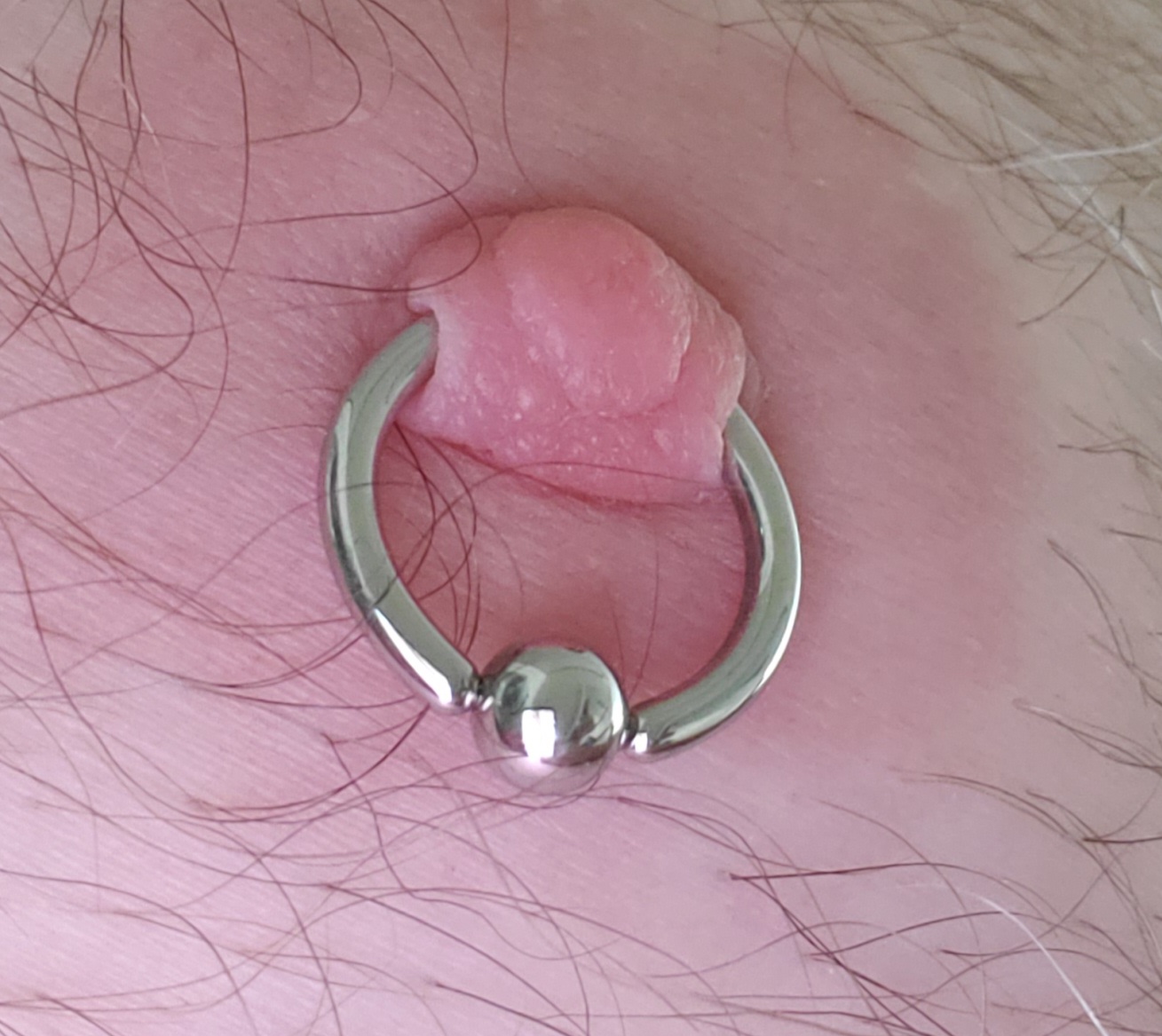
    A close up of a nipple piercing with a captive bead ring in it.

    In Short…

    In a nutshell, “How fast do nipple piercings close?” when the jewelry is removed varies greatly depending on individual healing processes and the age of the piercing. Generally, the newer the piercing, the faster it will close. To maintain the piercing, it’s advisable to keep the jewelry in place as much as possible. This is especially true during the first year. If you need to remove the jewelry for any reason, it’s wise to consult with a professional piercer. They will provide advice tailored to your specific situation. They can also assist with temporary solutions that might prevent the piercing from closing.

    Would you like additional information about nipple piercings? See our in-depth article with all the details here: Nipple Piercings.


    Need to find a piercer? Check out the Association of Professional Piercers.

  • What Do You Clean Nipple Piercings With?

    What Do You Clean Nipple Piercings With?

    Piercing Ya » Nipple Piercings

    Join The Piercing Ya Newsletter


    What Do You Clean Nipple Piercings With?

    When it comes to body piercings, proper aftercare is crucial for healing and preventing infections. A question that often surfaces for those new to body modifications, especially after getting nipple piercings, is: “What do you clean nipple piercings with?” This concern is valid, considering the sensitive nature of the area. Let’s dive into the best practices for keeping your nipple piercings clean and healthy.

    Understanding the Importance of Proper Cleaning

    Nipple piercings, like any other body piercings, require meticulous care. The healing process can be quite lengthy, typically taking anywhere from 6 months to a year. During this time, the pierced area is vulnerable to infections and other complications. Therefore, cleaning your piercings correctly and consistently is paramount.

    Indeed, when cleaning nipple piercings, the safest and most recommended cleaning solution for nipple piercings is saline solution. You can either purchase a pre-made sterile saline solution (often marketed as wound wash) from a pharmacy, or you can make your own at home. To prepare a homemade saline solution, mix about 1/4 teaspoon of sea salt (non-iodized) into one cup of warm distilled or bottled water.

    Cleaning Process

    Here’s a step-by-step guide to cleaning your nipple piercings:

    1. Firstly, Wash Your Hands: Always start by thoroughly washing your hands with antibacterial soap to avoid introducing new bacteria to the piercing.
    2. Secondly, Apply Saline Solution: Soak a clean paper towel or even gauze in saline solution and gently put it against the piercing. Alternatively, you can use a clean cup or container to hold the solution against the piercing for a few minutes.
    3. Thirdly, Gently Cleanse: Very gently, clean around the piercing and the jewelry with the saline-soaked paper towel or gauze. Do not twist or turn the jewelry.
    4. Then, Rinse With Water: After cleaning, rinse the area with clean, slightly warm water to remove any salt residue.
    5. Finally, Dry Carefully: Pat the area dry with a clean, paper towel. Towels made of cloth harbor bacteria and should be avoided.

    Frequency Of Cleaning Nipple Piercings

    Clean your nipple piercings at least twice a day. Consistency is key to preventing infections and promoting healing.

    Additional Tips

    • Avoid using harsh cleansers like alcohol, hydrogen peroxide, or antibacterial soaps, as they can bother the piercing.
    • Resist the urge to touch or play with your piercings, as this can introduce bacteria and delay healing.
    • Wear loose, breathable clothing to avoid irritation and allow air circulation around the piercing.
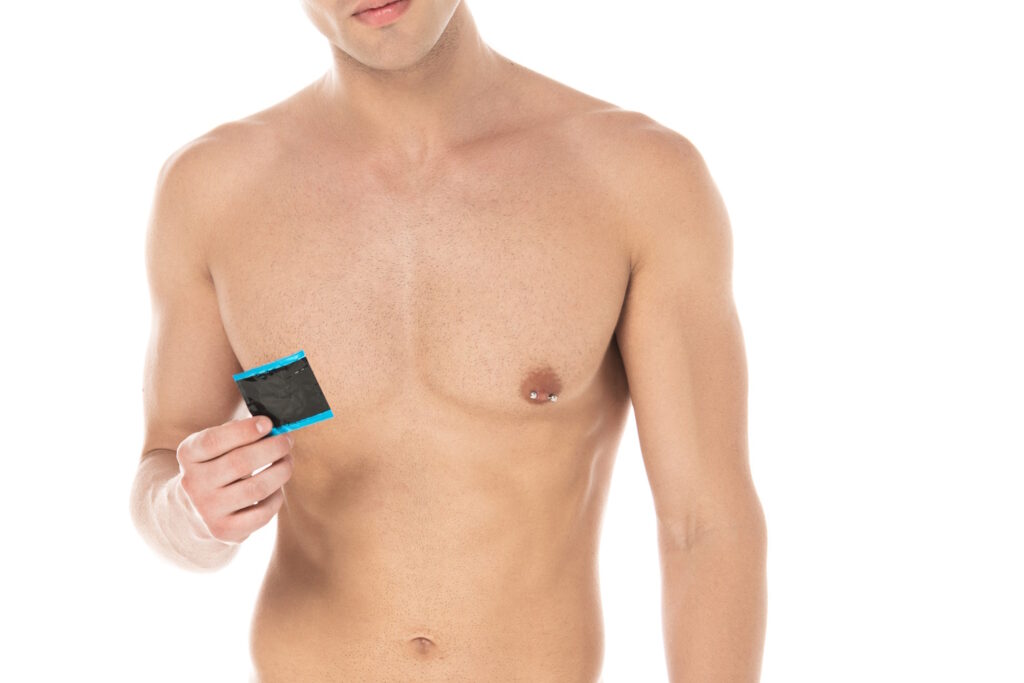
    A male torso and chest with a nipple piercing that has a straight barbell through it.

    Final Thoughts About Cleaning Nipple Piercings

    In a nutshell, cleaning nipple piercings requires a gentle approach with the right materials. Therefore, using a saline solution for cleaning, coupled with gentle care and consistent hygiene practices, will help ensure your piercings heal beautifully and remain healthy. Remember, patience and proper care are your best friends during the healing process of any body piercing.

    Would you like additional information about nipple piercings? See our in-depth article with all the details here: Nipple Piercings.


    Need to find a piercer? Check out the Association of Professional Piercers.