Category: Belly button Piercing

  • What Is A Belly Ring?

    What Is A Belly Ring?

    Piercing Ya » Belly button Piercing

    Join The Piercing Ya Newsletter


    What Is A Belly Ring?

    The belly button piercing, a ubiquitous symbol of self-expression and body art, has captivated cultures for centuries. But what is a belly ring? Enter the belly ring, a piece of jewelry specifically designed to grace the navel. This guide delves into the world of belly rings, exploring their types, materials, and everything you need to know to find your perfect navel adornment.

    Belly Button Piercing VS. Belly Ring

    While often used interchangeably, a belly button piercing refers to the actual hole created through the skin of the navel, while a belly ring is the piece of jewelry inserted into that piercing. This article focuses on the latter, exploring the fascinating world of belly button jewelry.

    The Design Of The Belly Ring

    A belly ring typically consists of two main components:

    • The Barbell: This is the shaft of the jewelry that goes through the piercing. It comes in various lengths, with the standard size for initial piercings being around 7/16″ to accommodate swelling during healing.
    • The Ends: These are the decorative elements on either end of the barbell. They can be simple balls, studs adorned with gemstones, intricate designs, or even dangle belly rings.

    Here’s a closer look at some common belly ring designs:

    • Curved Barbells: These barbells have a slight curve, which some people find more comfortable for navel anatomy. They may be especially suitable for those with deeper or “innie” navels.
    • Bends and Spirals: These non-traditional designs offer a unique look but may require careful selection to ensure they conform comfortably to the navel anatomy.

    Materials For Belly Button Rings

    The material of your belly ring plays a crucial role in safety, comfort, and aesthetics. Here are the most common options:

    • Implant Grade Titanium: This is the gold standard for initial piercings due to its biocompatibility, meaning it’s less likely to cause allergic reactions.
    • Surgical Steel: Another popular choice, surgical steel is generally affordable and hypoallergenic. However, some people may still experience sensitivity.
    • Gold (14k or higher): High-quality gold is a luxurious option, offering a warm glow and classic elegance. However, ensure it’s 14k or higher to minimize nickel content, which can cause allergies.
    • Bioplast: This flexible plastic material is a good option for those with severe metal allergies or those who participate in activities with a high risk of snagging the jewelry. However, bioplast is not as durable as metal and may need to be replaced more frequently.

    Remember: Avoid low-quality metals like nickel or brass, as they can cause irritation and allergic reactions. Always prioritize implant grade titanium or surgical steel for initial piercings.

    Choosing The Right Belly Ring

    Selecting the right belly ring involves considering several factors:

    • Anatomy: Should I get a belly piercing? First, consult a professional piercer to assess your navel depth and curvature to see if you qualify for one. Also, this will help determine the ideal length and gauge for a comfortable fit.
    • Healing: For initial piercings, opt for a simple design with smooth, implant-grade titanium or surgical steel to minimize irritation during the healing process.
    • Lifestyle: Consider your daily activities. If you’re active or wear tight-fitting clothing, a snag-free design like a plain belly bar might be preferable.
    • Aesthetics: This is where personal preference shines! Explore different styles, materials, and embellishments to find a belly ring that reflects your unique personality.

    Safety First: Never attempt a self-piercing. Always visit a reputable piercer who uses sterile equipment and can guide you in choosing the right belly ring for your anatomy and preferences.
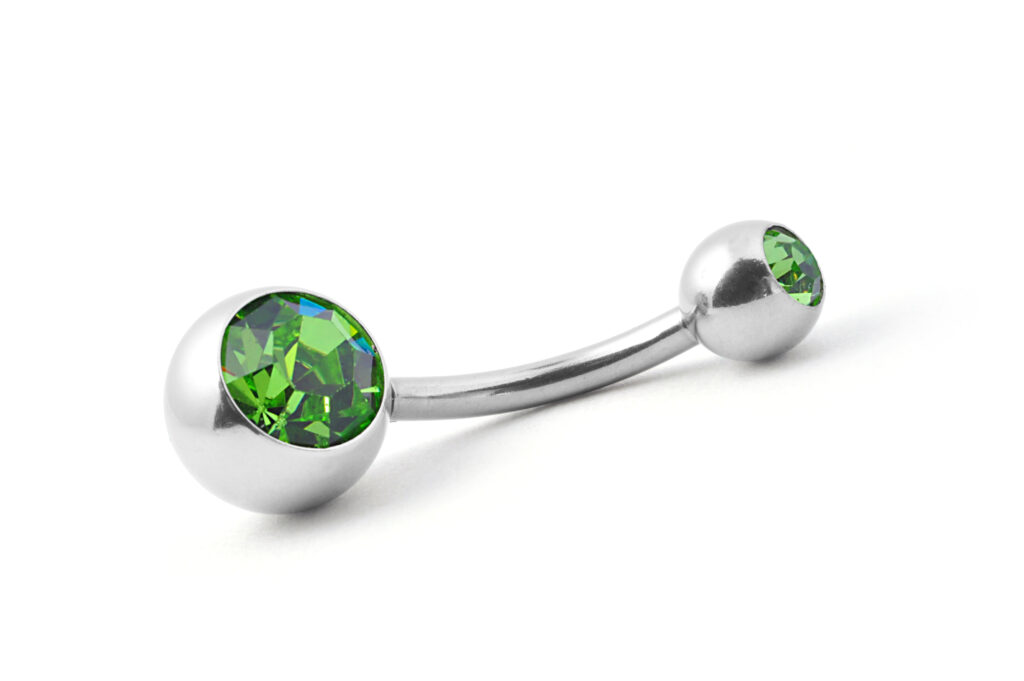
    A belly ring with an inlaid green gem on each end.

    Caring For The Belly Bling

    Once you’ve adorned your navel with the perfect belly ring, proper care is essential for optimal healing and to prevent complications. Here are some aftercare tips:

    • Cleaning: Clean your piercing regularly (usually 2-3 times a day) with a saline solution. Avoid harsh soaps or rubbing alcohol, which can irritate the healing tissue.
    • Listen to Your Body: Pay attention to any signs of infection, such as redness, swelling, or pus. If you experience any discomfort, consult your piercer immediately.
    • Avoid Irritants: During healing, avoid swimming in pools or hot tubs, as these can harbor bacteria. Steer clear of harsh chemicals, including chlorine and certain lotions.
    • Downsize Your Jewelry: Once the piercing has healed completely (typically 4-6 months), you can consider downsizing to a shorter barbell length for a more comfortable and secure fit. Consult your piercer for proper downsizing techniques.

    In A Nutshell…

    The belly button piercing and its accompanying jewelry have transcended fleeting trends. It’s a form of self-expression that allows individuals to showcase their individuality and adorn their bodies with art. With proper knowledge, careful selection, and dedicated aftercare, a belly ring can become a cherished body adornment for years to come. So, embrace the allure of the navel, find your perfect belly ring, and embark on a journey of personal expression!

    Would you like to read further about belly button piercings? If so, check out our in depth article about everything belly piercings: Belly Piercings. Also, see other questions that people ask about belly button piercings: Belly Button Piercing FAQ.


    Need to find a piercer? Check out the Association of Professional Piercers.

  • What Gauge Is A Belly Button Piercing?

    What Gauge Is A Belly Button Piercing?

    Piercing Ya » Belly button Piercing

    Join The Piercing Ya Newsletter


    What Gauge Is A Belly Button Piercing?

    Want a belly button piercing but you have the burning question, “What gauge is a belly button piercing?” Well let’s discuss it.

    The belly button piercing, a timeless symbol of self-expression, has adorned bodies for centuries. But for those wondering if they should take the plunge, navigating the world of piercing sizes can be daunting. The most crucial element? Understanding the gauge size, which refers to the thickness of the jewelry used.

    The Standard Gauge Of A Belly Button Piercing

    When it comes to belly button piercings, the 14 gauge reigns supreme. This size is considered the industry standard for initial piercings by professional piercers. Here’s why it takes the top spot:

    • Safety: A 14 gauge provides a good balance between being thick enough for proper healing and thin enough to minimize initial discomfort.
    • Comfort: The moderate thickness allows for easier insertion and reduces the risk of tearing during the healing process.
    • Jewelry Availability: The vast majority of belly button jewelry is manufactured in 14 gauge, ensuring a wide selection of styles and materials to suit your taste.
    • Aesthetics: This gauge offers a visually pleasing balance, not appearing too bulky or too delicate for most navel anatomies.

    Important Note: It’s crucial to get pierced with the correct gauge by a reputable professional. This minimizes the risk of complications like migration, rejection, and infection. Never attempt a self-piercing, as it can lead to serious health risks.


    Want a nipple piercing too? Discover the gauge of a nipple piercing.


    Exploring Other Gauge Options

    While 14 gauge is the gold standard, there are other gauge sizes available, each catering to specific preferences and anatomy:

    • 16 Gauge: This thinner gauge might be suitable for those with very sensitive skin or delicate navels. However, it’s less common and may have a limited selection of jewelry available.
    • 12 Gauge (and Larger): These gauges are considered larger and are typically used for stretching existing piercings. Stretching should only be done gradually and under the supervision of a professional piercer to avoid tearing or damage.
    • Custom Gauges: In rare cases, a piercer might recommend a custom gauge based on your unique anatomy. They will assess your navel depth and recommend the best size for proper placement and healing.

    Choosing the Right Gauge Size

    Before making a decision, consider these factors:

    • Navel Anatomy: A professional piercer will assess your navel depth and advise on the most suitable gauge size. They can also check for any anatomical anomalies that might influence the piercing.
    • Sensitivity: If you have very sensitive skin, a thinner gauge like 16g might be a better initial option. However, consult your piercer for guidance based on your specific sensitivity level.
    • Healing: A standard 14g size generally promotes optimal healing. If you plan to stretch in the future, discuss this with your piercer beforehand.
    • Jewelry Preference: While 14g offers the widest selection, explore available options in different gauge sizes if desired.

    Remember: Choosing the right gauge size is a crucial step in ensuring a smooth and successful piercing experience.

    Beyond the Gauge Of The Belly Button Piercing

    While gauge size plays a significant role, other factors contribute to a positive piercing experience:

    • Material: Opt for implant grade titanium, surgical steel, or high-quality gold for initial piercings. These materials minimize the risk of allergic reactions.
    • Aftercare: Following a diligent aftercare routine recommended by your piercer is vital for optimal healing. This typically includes cleaning the piercing regularly with a saline solution and avoiding harsh soaps or irritants.
    • Lifestyle: Be mindful of activities that might snag or irritate the piercing during the healing process. Consider loose-fitting clothing and avoiding strenuous exercise.
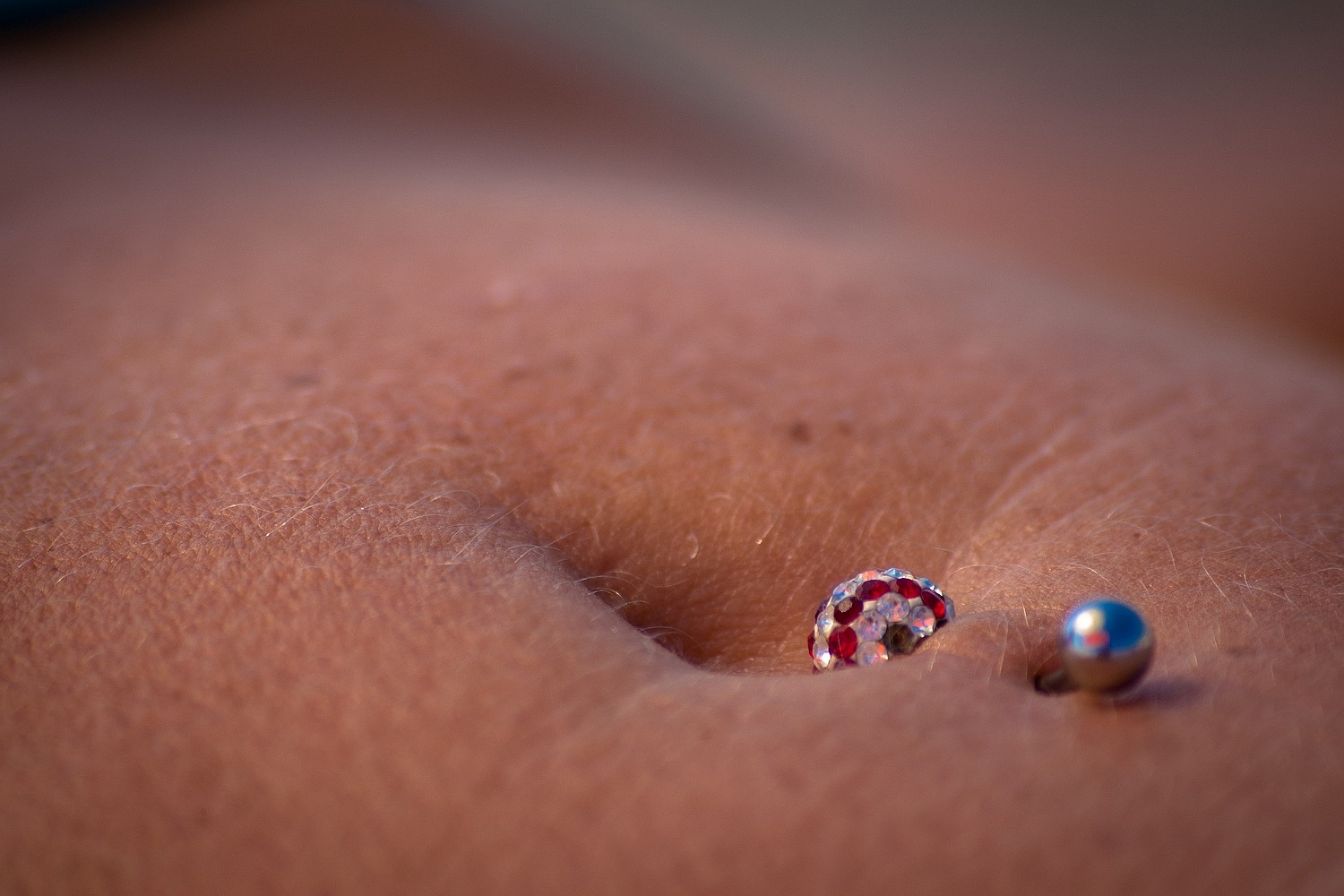
    A belly button piercing closeup with a 14 gauge belly ring in it.

    In A Nutshell…

    Understanding belly button piercing gauge sizes is an essential step towards a safe and successful body modification experience. By prioritizing the standard 14 gauge for initial piercings and consulting with a professional piercer, you can embark on your body art journey with confidence. Remember, proper aftercare and choosing the right materials are equally crucial for a smooth healing process. So, take the plunge, embrace self-expression, and let your belly button shine!

    Would you like to read further about belly button piercings? If so, check out our in depth article about everything belly piercings: Belly Piercings. Also, see other questions that people ask about belly button piercings: Belly Button Piercing FAQ.


    Need to find a piercer? Check out the Association of Professional Piercers.

  • How Do I Know If My Belly Piercing Is Infected? 

    How Do I Know If My Belly Piercing Is Infected? 

    Piercing Ya » Belly button Piercing

    Join The Piercing Ya Newsletter


    How Do I Know If My Belly Piercing Is Infected? 

    Belly button piercings are a popular form of body art, but like any piercing, they require proper care to prevent infection. Knowing the signs of infection can help you address the issue promptly and ensure a smooth healing journey. So you ask, “How do I know if my belly piercing is infected?“.

    Understanding Infection: When Your Body Fights Back

    An infection occurs when bacteria enter the piercing site and your body’s immune system kicks in to fight it. While some mild discomfort and redness are normal during healing (typically 4-6 months), specific indicators can signal a potential infection.

    Not All Discomfort Of The Belly Piercing Means Infection: First, The Healing Phase

    When making a decision to get a belly button piercing, realize that during the initial healing phase, some redness, swelling, and tenderness around the piercing are normal. You might also experience a clear or yellowish discharge, especially during cleaning. These symptoms should gradually improve with proper cleaning.

    When to Be Concerned About An Infected Belly Piercing

    If you experience any of the following alongside redness, swelling, or tenderness, it could indicate an infection:

    • Increased pain or throbbing sensation: This can be a sign of deeper infection beyond the surface layer.
    • Thick, green, or pus with a foul odor: A clear or yellowish discharge is normal during healing, but thick, green pus suggests infection.
    • Prolonged bleeding: Minimal bleeding is possible right after the piercing, but prolonged bleeding can be a sign of improper placement or infection.
    • Fever or chills: These indicate a more systemic infection that requires immediate medical attention.
    • Increased redness that spreads: Normal redness should stay localized around the piercing.
    • Warmth to the touch: The piercing site might feel warm if infected.
    • Red streaks radiating from the piercing: These can be a sign of infection spreading.

    Steps to Manage a Potentially Infected Belly Piercing

    If you suspect an infection, here’s what to do:

    • Clean the piercing diligently: Continue cleaning your piercing twice daily with a saline solution as instructed by your piercer.
    • Avoid harsh chemicals: Don’t use alcohol, hydrogen peroxide, or antibacterial soaps, as they can disrupt healing and irritate the area further.
    • Don’t remove the jewelry: Removing the jewelry can trap pus and worsen the infection. See a doctor or piercer for guidance.
    • Seek professional help: Visit a doctor or a reputable piercer for proper diagnosis and treatment. They might prescribe antibiotics or suggest additional cleaning solutions to help the infected belly piercing heal.

    Do you think you have an infected nose piercing also? Check this out!


    Proactive Care for Happy Navels

    The best way to deal with an infection is to prevent it in the first place. Here are some essential steps:

    • Go to a reputable piercer: Ensure they use sterile equipment and follow safe piercing practices to help avoid an infected belly piercing.
    • Maintain a clean piercing: Clean your piercing twice daily with a saline solution and avoid touching it excessively.
    • Listen to your body: If you experience any unusual pain, redness, or swelling beyond the initial healing discomfort, address it promptly.
    • Avoid irritants: While healing, avoid tight clothing, swimming in pools or hot tubs, and exposure to dust, dirt, and harsh chemicals.
    A woman with a pink crop top showing off her belly button piercing.

    Remember, early intervention is crucial. By understanding the signs of infection and taking proactive steps to care for your piercing, you can minimize the risk of complications and keep your belly button happy and healthy.

    Would you like to read further about belly button piercings? If so, check out our in depth article about everything belly piercings: Belly Piercings. Also, see other questions that people ask about belly button piercings: Belly Button Piercing FAQ.


    Need to find a piercer? Check out the Association of Professional Piercers.

  • Should I Get A Belly Button Piercing?

    Should I Get A Belly Button Piercing?

    Piercing Ya » Belly button Piercing

    Join The Piercing Ya Newsletter


    Should I Get A Belly Button Piercing?

    The allure of a beautiful belly button ring is undeniable, but before you take the plunge, it’s important to weigh the pros and cons of getting a navel piercing. This decision involves understanding the commitment, potential risks, and lifestyle adjustments involved.

    The Advantages Of Getting A Belly Button Piercing

    • Aesthetic Appeal: Belly button piercings can accentuate your midriff and add a touch of personal style, especially when paired with crop tops or bikinis.
    • Confidence Boost: For some, a navel piercing can be a symbol of self-expression. In fact, it promotes a sense of confidence and empowerment.
    • Versatility of Jewelry: Once healed, you can explore a wide range of navel jewelry styles, from classic curved barbells to decorative designs, allowing for self-expression.

    Drawbacks Of Getting A Belly Button Piercing

    • Pain and Discomfort: The piercing process itself can be painful, and healing typically takes 4-6 months, with some initial discomfort and tenderness.
    • Infection Risks: Like any body piercing, improper care or a weakened immune system can lead to infection. Be prepared for diligent cleaning and aftercare.
    • Lifestyle Changes: Tight clothing, certain exercises, and activities like swimming might need to be limited during healing. Be prepared to adjust your wardrobe and habits if you choose to get a belly button piercing.
    • Rejection: Your body might reject the piercing, causing it to migrate or push out the jewelry. This can lead to a scar.
    • Long-Term Commitment: While removable, navel piercings are considered semi-permanent. Removal can leave a scar, so consider if you’re comfortable with this long-term commitment.

    Crucial Considerations Before You Decide

    • Age and Maturity: Young teens should not get navel piercings. Consider your level of maturity and commitment to aftercare.
    • Realistic Expectations: Understand that healing takes time, and there might be some discomfort. Therefore, don’t expect immediate results if you choose to get a belly button piercing.
    • Pain Tolerance: Be honest about your pain tolerance. The piercing process can be uncomfortable, and healing might involve some tenderness.
    • Lifestyle Compatibility: If your daily routine involves a lot of physical activity or requires specific work attire, a navel piercing might not be ideal.
    • Financial Investment: Factor in the cost of the piercing itself, high-quality jewelry, and aftercare products.

    Talk to Professionals

    • Consult a Reputable Piercer: A professional piercer can assess your anatomy. Also, they discuss jewelry options, and answer all your questions about the process and aftercare.
    • Talk to Your Doctor: If you have any underlying health conditions or concerns, discuss them with your doctor before making your decision to get a belly button piercing.
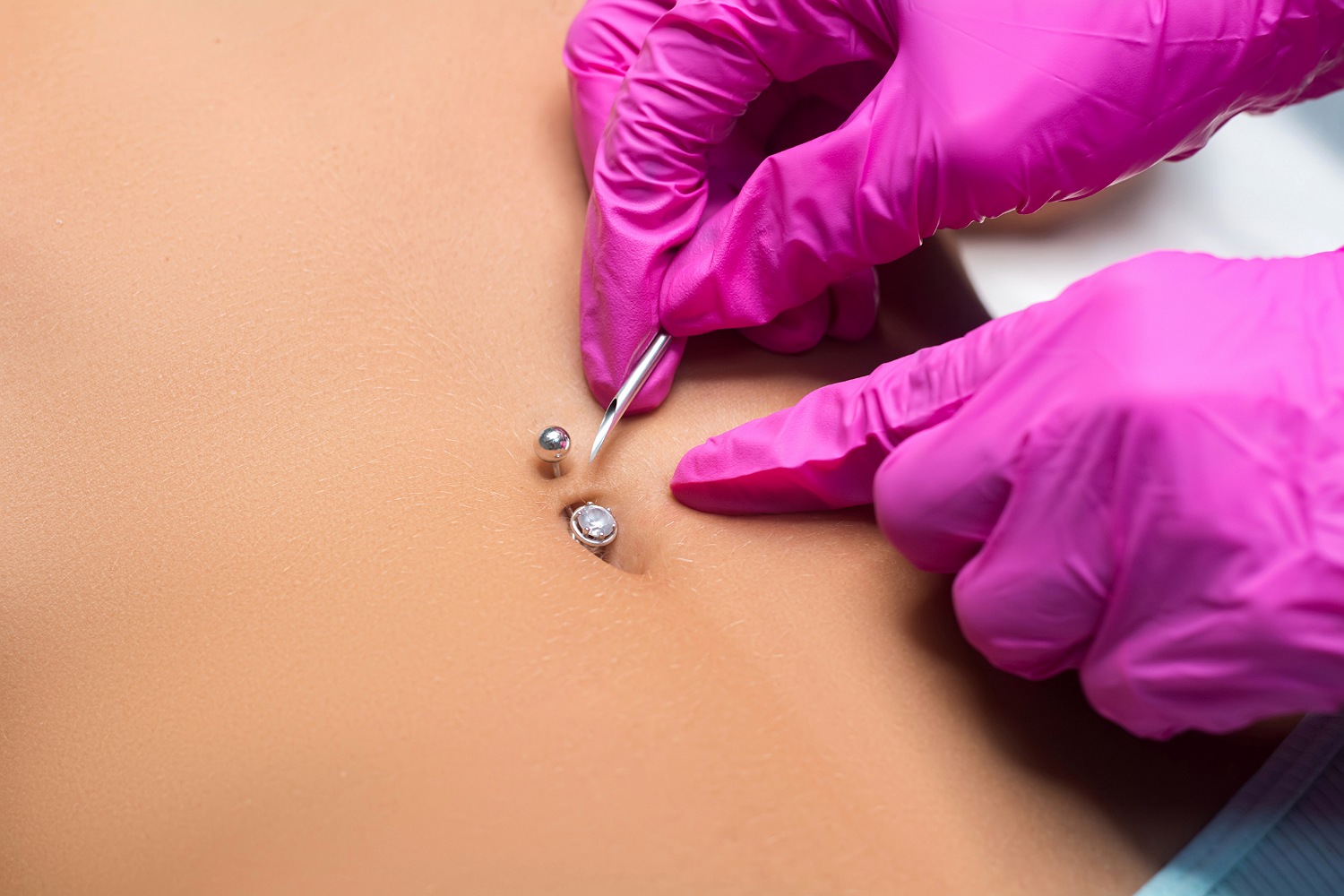
    A belly button being pierced by a person with pink gloved hands.

    In A Nutshell…

    Ultimately, the decision to get a navel piercing is a personal one. By carefully considering the pros and cons, your lifestyle, and your commitment level, you can make an informed choice you won’t regret. Remember, a well-placed and well-cared-for navel piercing improves on your appearance. But, always make sure to prioritize your health and comfort throughout the process.

    Want more information about belly piercings? Indeed, see our in-depth article with all the details about belly button piercings here: Belly Piercing.

    Finally, do you have more unanswered questions? Go back to Belly Button Piercing FAQ.


    Need to find a piercer? Check out the Association of Professional Piercers.


  • How Do I Clean My Belly Button Piercing?

    How Do I Clean My Belly Button Piercing?

    Piercing Ya » Belly button Piercing

    Join The Piercing Ya Newsletter


    How Do I Clean My Belly Button Piercing?

    One of the biggest questions for newbies with a navel piercing is, “How do I clean my belly button piercing?”. Well, I’m here to give you a thorough breakdown.

    Caring for your belly piercing is crucial for its proper healing and to avoid infections. Therefore, knowing what to use for cleaning and how to do it effectively is essential. Here’s a comprehensive guide on what you can use to clean your belly piercing, ensuring it heals beautifully and remains infection-free.

    Understanding the Healing Process

    A belly piercing is a type of body modification that goes through the skin above the navel. Like any piercing, it creates a wound that needs time to heal. Furthermore, the typical healing time for a belly piercing is between 4-6 months, but this can vary depending on individual factors like health, aftercare, and lifestyle.

    Cleaning Agents:

    • Saline Solution: For cleaning a belly piercing, the top choice is a saline solution. This can be a commercially available piercing-care saline solution or a homemade mixture. To create it yourself, dissolve 1/4 teaspoon of non-iodized sea salt in one cup of warm distilled or bottled water. It’s important to steer clear of regular table salt since it includes additional substances that might aggravate the piercing.
    • Mild, Fragrance-Free Soap: At times, it’s okay to gently cleanse the area with a mild, unscented soap. However, this should be done infrequently, as frequent use can cause irritation and dry out the skin.

    Cleaning Process:

    1. Wash Your Hands: Always start by washing your hands thoroughly with antibacterial soap. This step is crucial to avoid introducing bacteria to the piercing site.
    2. Apply Saline Solution: Soak a clean piece of gauze or a cotton ball in the saline solution and gently dab it on the piercing. Do not use cotton swabs as they can leave fibers behind.
    3. Rinse with Water: After applying the saline solution, rinse the area with clean water to remove any salt residue.
    4. Dry Gently: Gently dab the area dry using a fresh paper towel. It’s best to steer clear of cloth towels, as they might contain bacteria and could potentially catch on the jewelry.
    5. Soap Cleaning (If Necessary): When using soap, carefully create a lather around the piercing and ensure to rinse it off completely. This practice should be limited to no more than once or twice a week.

    Additional Tips On How You Clean A Belly Button Piercing:

    • Firstly, avoid using alcohol, hydrogen peroxide, or harsh antiseptics as these can delay healing and irritate the skin.
    • Secondly, do not touch or twist the jewelry unnecessarily.
    • Thirdly, avoid swimming pools, hot tubs, and soaking in baths during the initial healing phase.
    • Finally, wear loose, breathable clothing to avoid irritation.

    Monitoring Your Belly Button Piercing For Infection

    While cleaning your piercing, keep an eye out for signs of infection, such as excessive redness, swelling, foul odor, or yellowish discharge. Also, if you notice any of these symptoms, consult a healthcare professional.

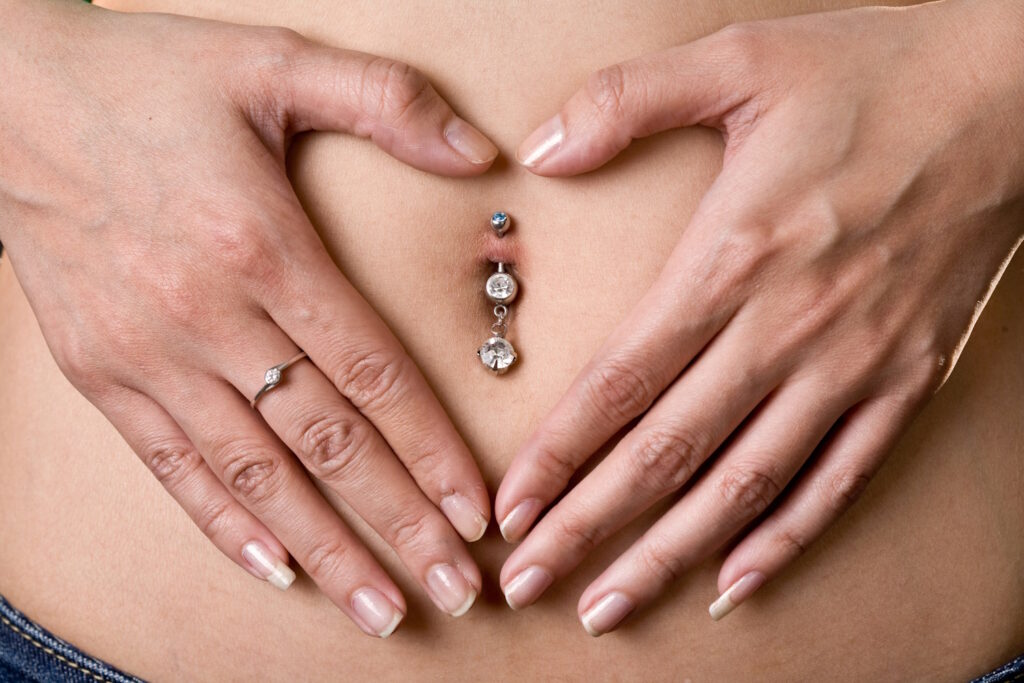
    A woman with her hands in a heart shape around her belly button piercing.

    In Summary

    How you clean your belly button piercing and proper aftercare is key to the successful healing of the piercing. Therefore, using the right cleaning agents like saline solution and occasionally mild soap, along with gentle handling, will ensure your piercing heals well and remains healthy. Also, remember, that patience and consistent care are your best allies in the healing process of a belly piercing.

    See our in-depth article with all the details about belly button piercings here: Belly Button Piercing.


    Need to find a piercer? Check out the Association of Professional Piercers.